
For a few weeks now, we have been sampling barriers to free flow in rivers nearby to determine their impacts on river connectivity, trying to descifer how low-head barriers like weirs, culverts, fords and ramps alter the natural processes in rivers (energy dynamics, hydromorphology, sedimentation and erosion processes and movement of freshwater organisms).
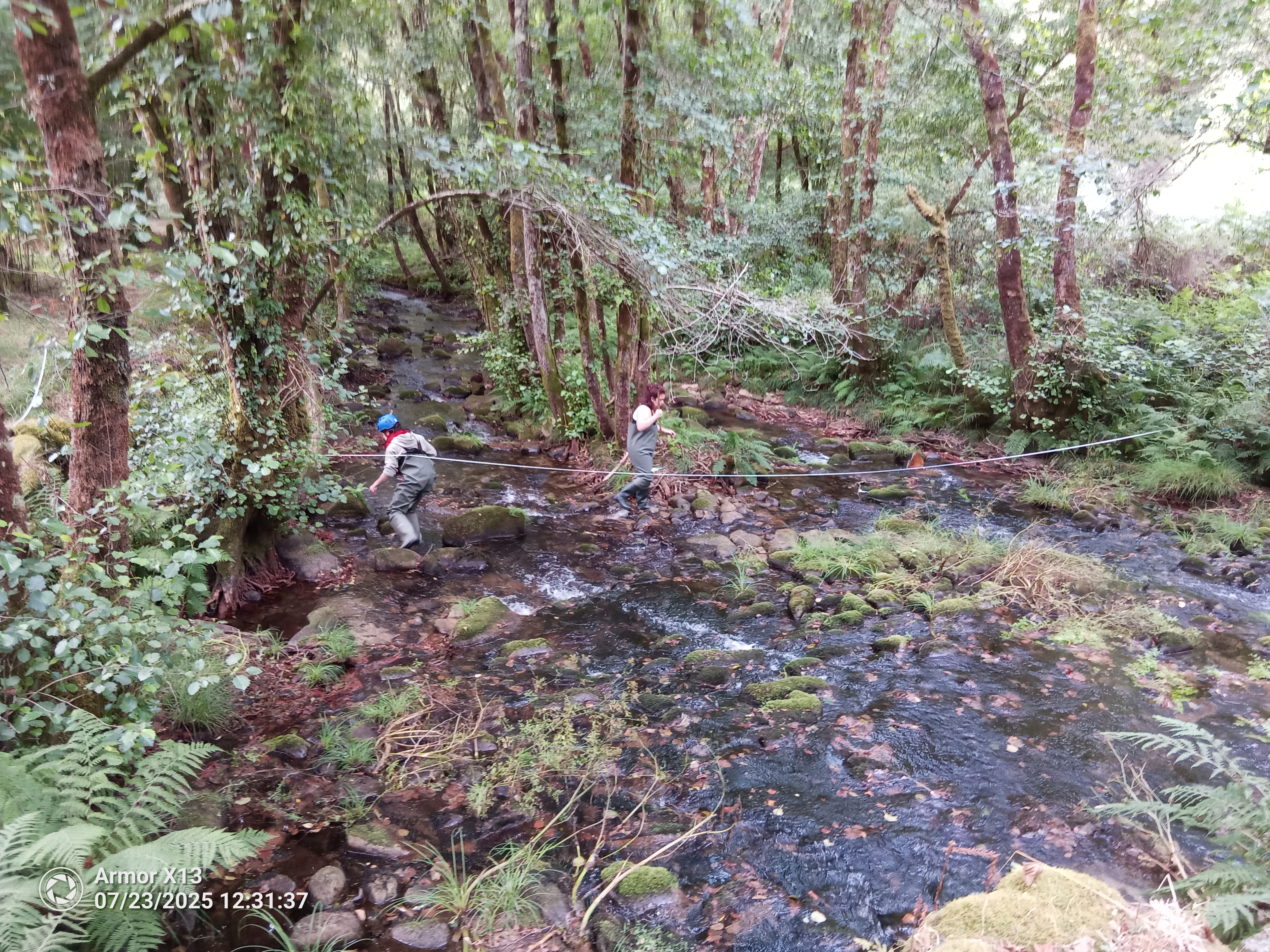
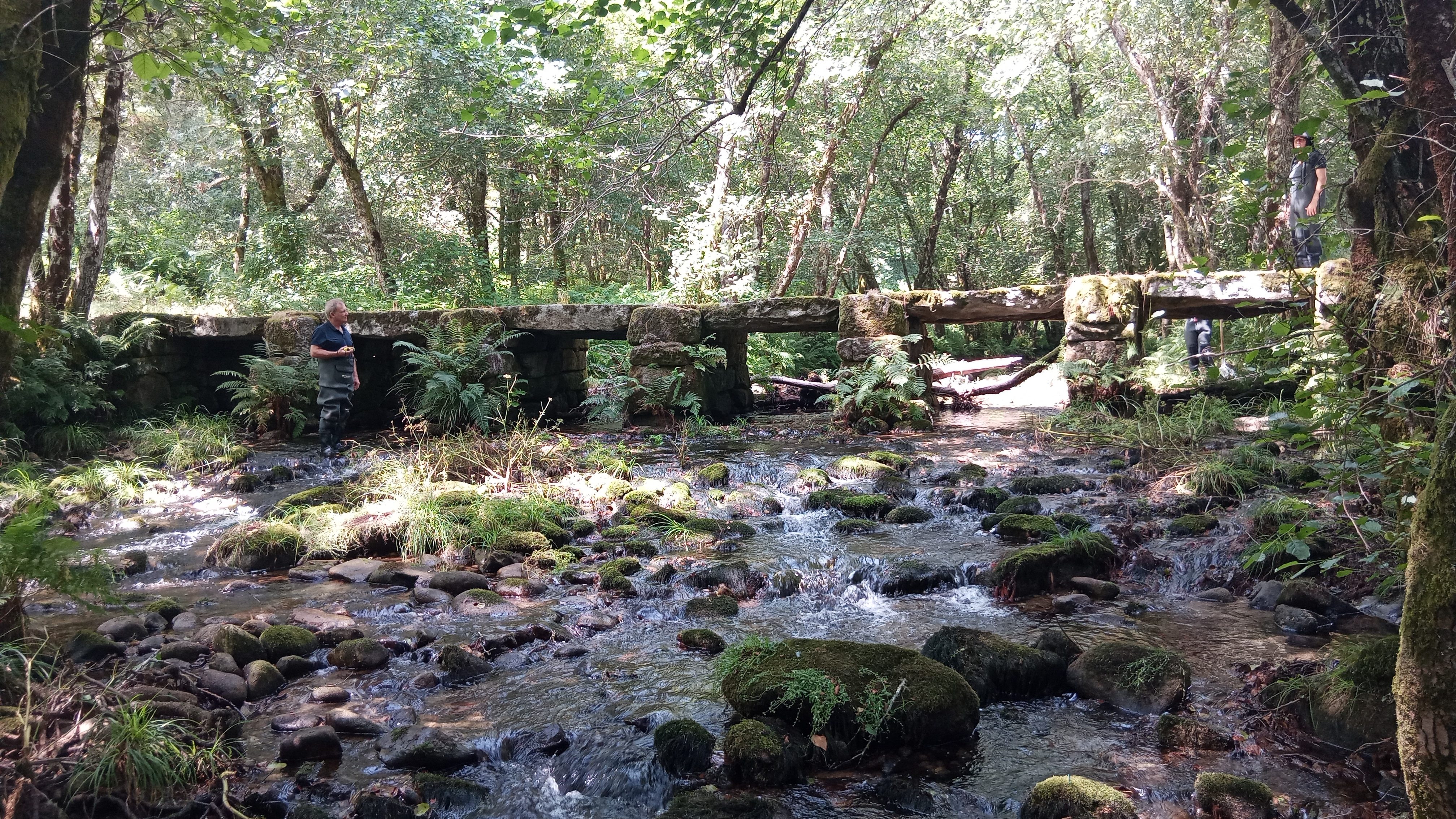
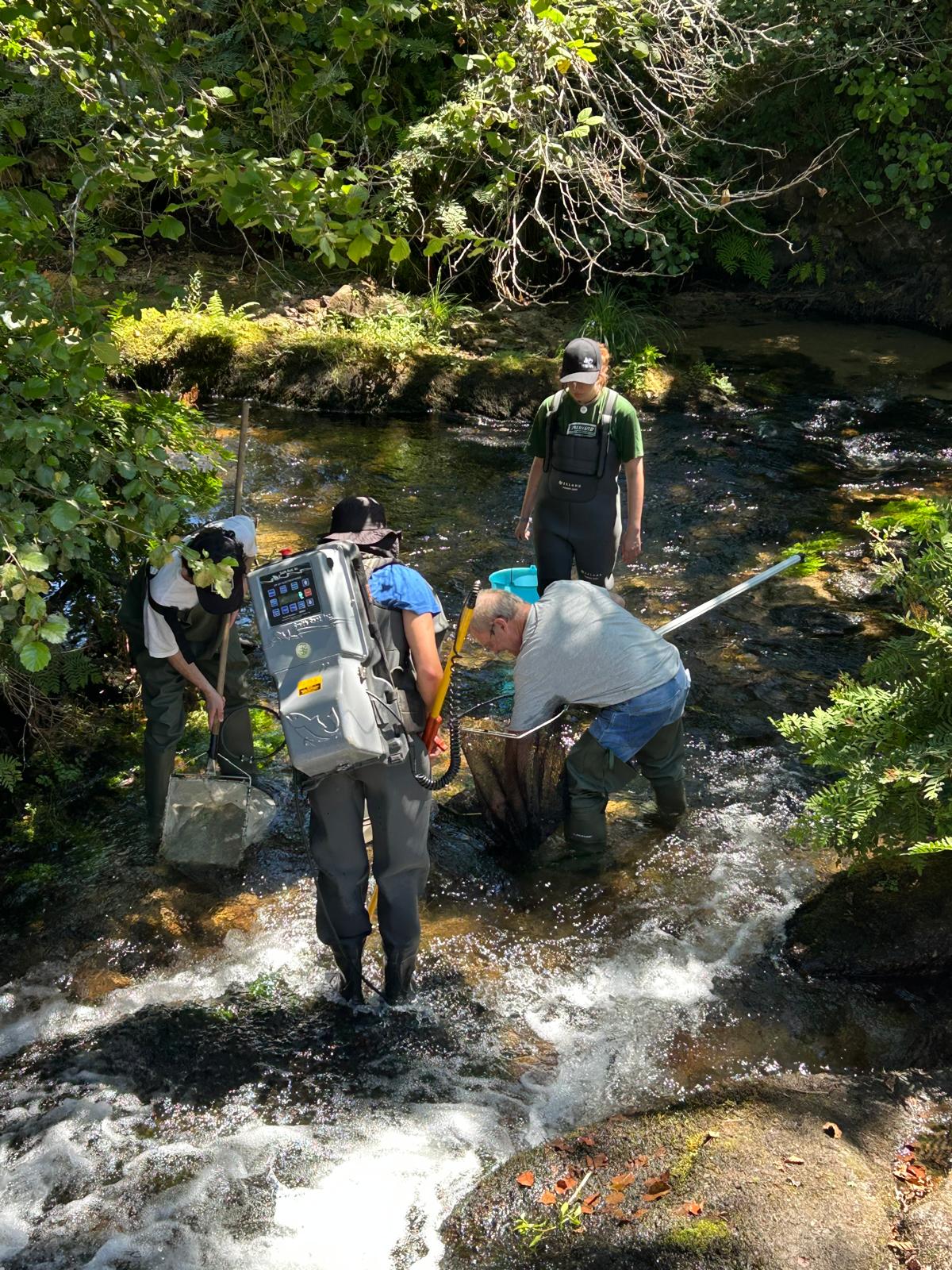
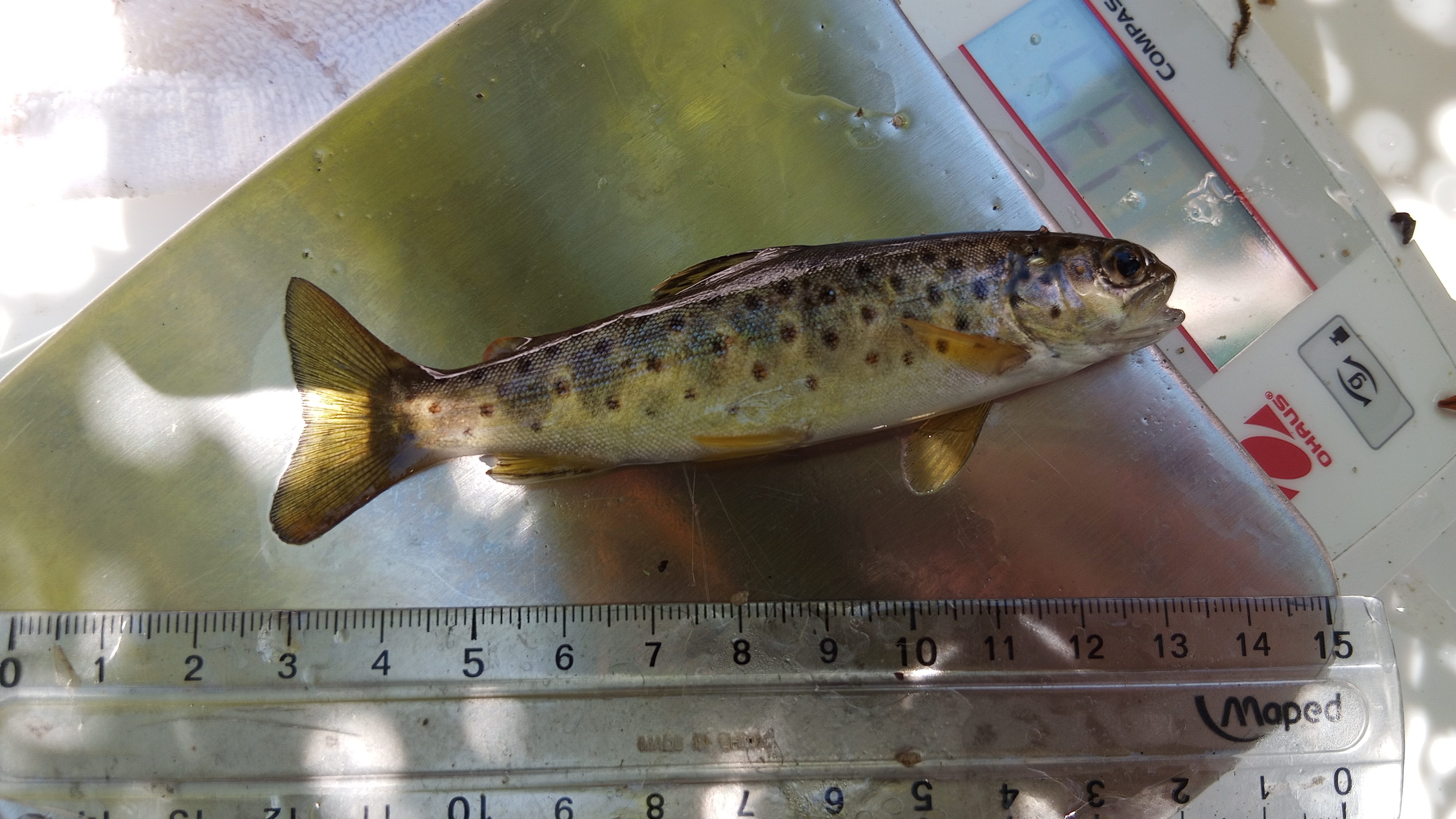
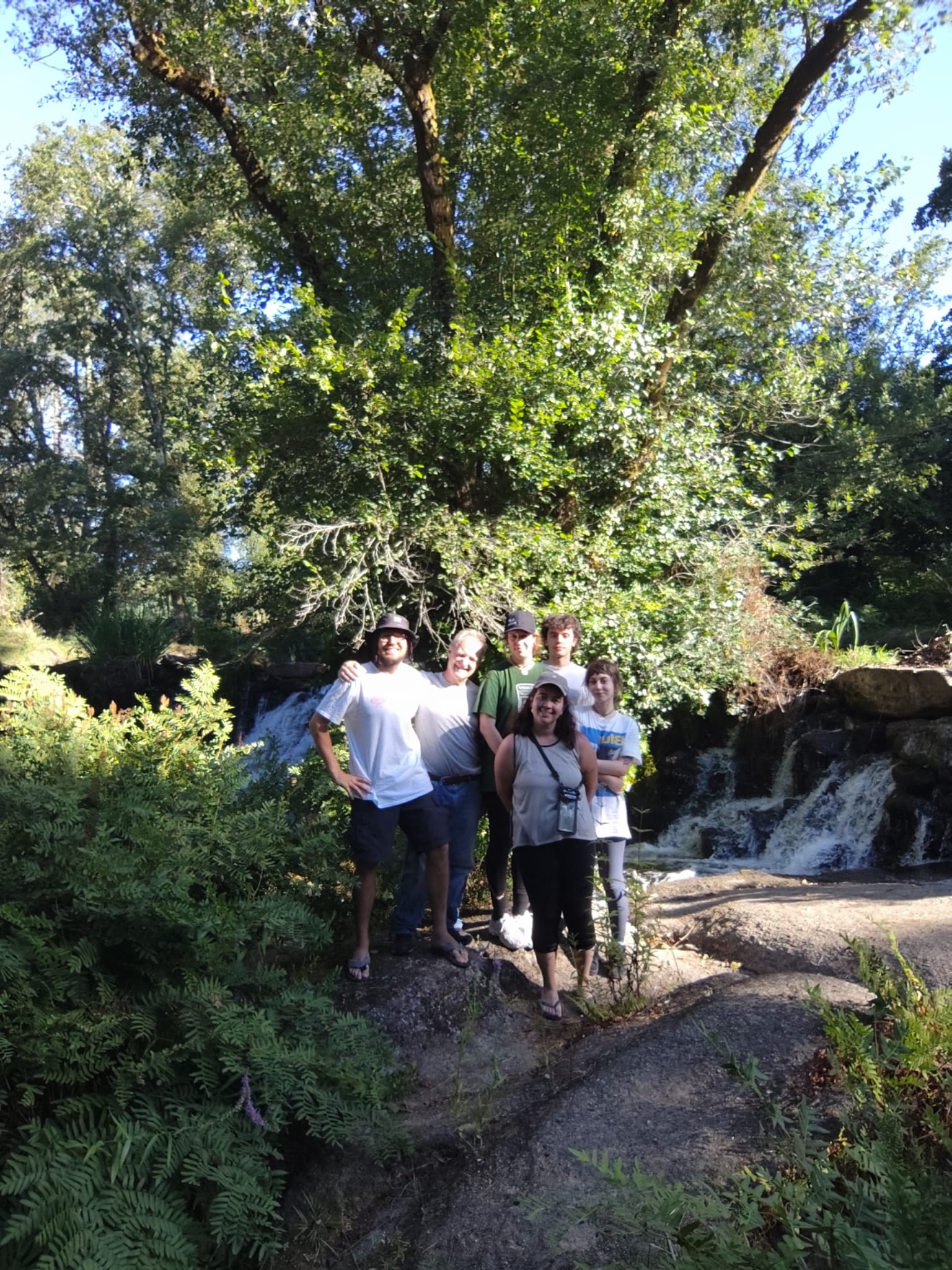
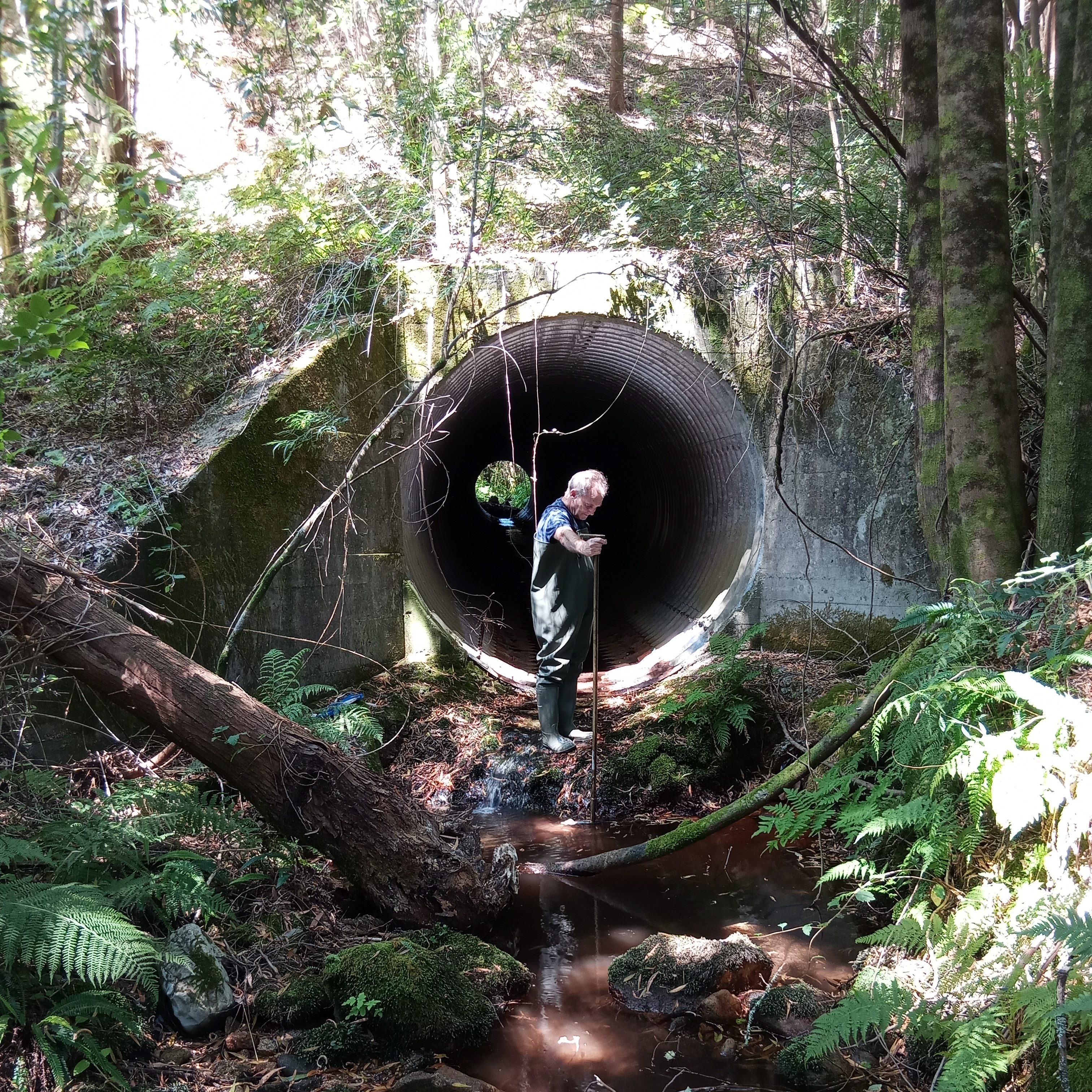
As a pilar of the project FREEFLOW (go see barrier impact assessments), this part of the project aims at reducing uncertainties regarding the impact of low-head barriers – the most abundant ones – on river connectivity.
Traditionaly, barrier impact assessments have been focused on freshwater fish passability and big dams. However, these big dams are but a slim part of all barriers contributing to the fragmentation of rivers, and rivers are much more than just fish.
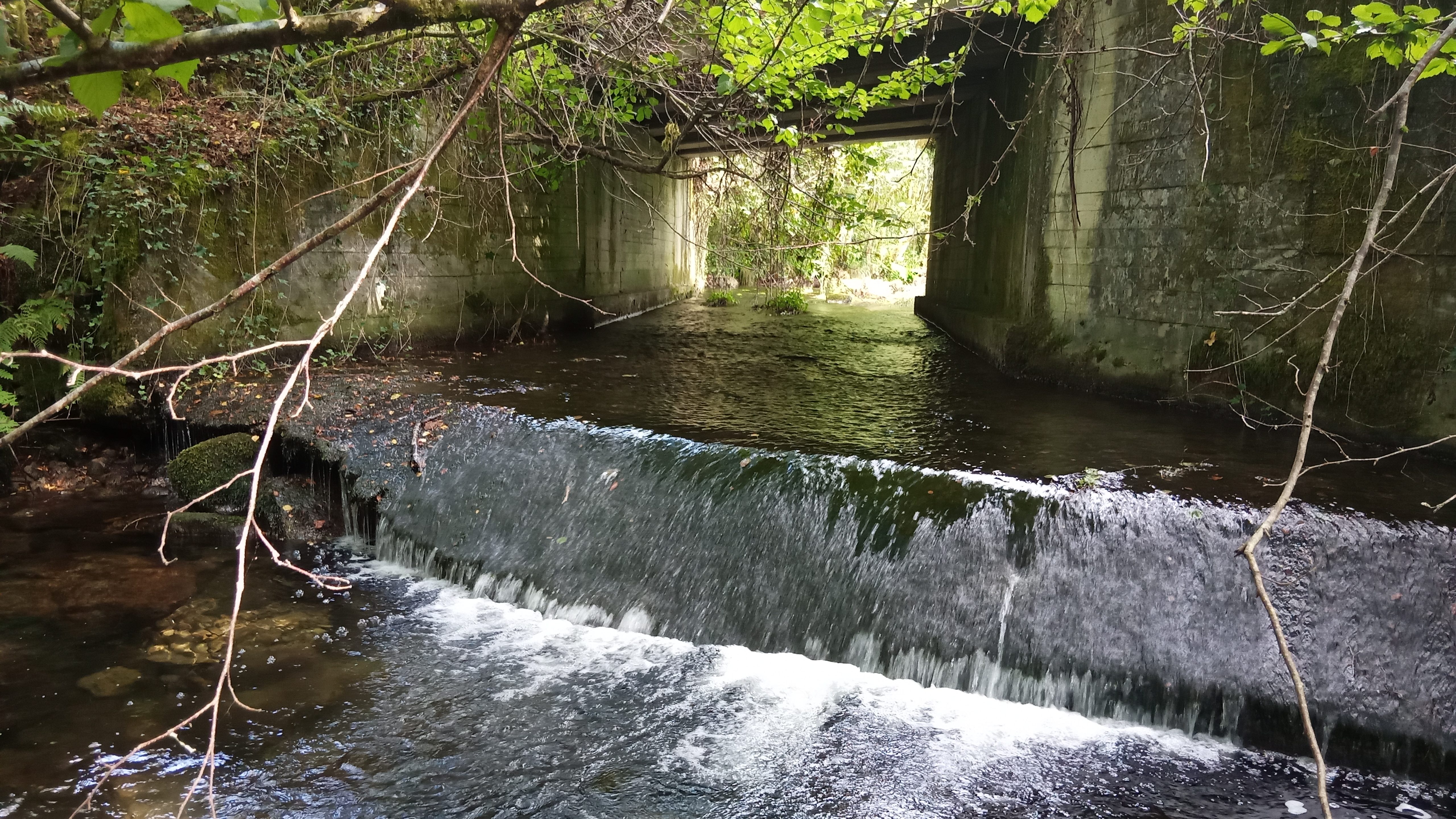
To effectively plan the removal of barriers in river restoration efforts, scientists and decision-makers need to accurately estimate the cummulative impact of low-head barriers, be it weirs or ramps, 0.5m or 3m high.
These field sampling efforts will contribute to improve the understanding of fragmentation impacts of low-head barriers and develop a rapid impact assessment tool to estimate barrier impacts based on a few, easily measurable or already available barrier characteristics.
 FreeFlowLab