
We just finished hosting the 2-day expert workshop on barrier passability for freshwater fish at the Redeiras building in Vigo! It was a pleasure hosting all passability experts to discuss pressing issues in assessing upstream barrier passability for freshwater fish.
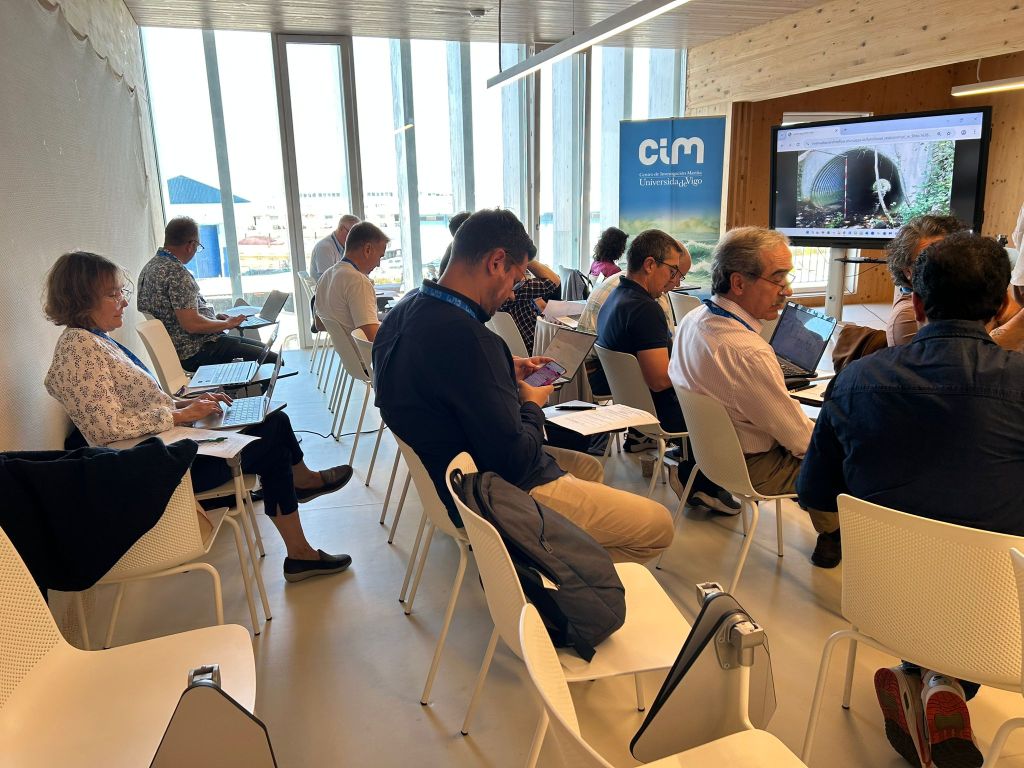
On day 1, we asked experts to define passability, as there are currently many different interpretations of passability (sometimes named “permeability” or “passage efficiency”). Experts agreed that there are multiple definitions that are suitable and applicable depending on contexts, scales and scopes. Still, among more than 6 different defintions of passability, some were clearly favoured as the “best” defintions.
Participants were also asked for their expertise in how several drivers interact with passability (e.g. how does barrier height, river discharge or fish motivation affect passability?). Finally, experts were put arranged around tables to draw fuzzy congitive maps depicting their understanding of how river, barrier and fish concepts and elements interact with each other and drive passability.
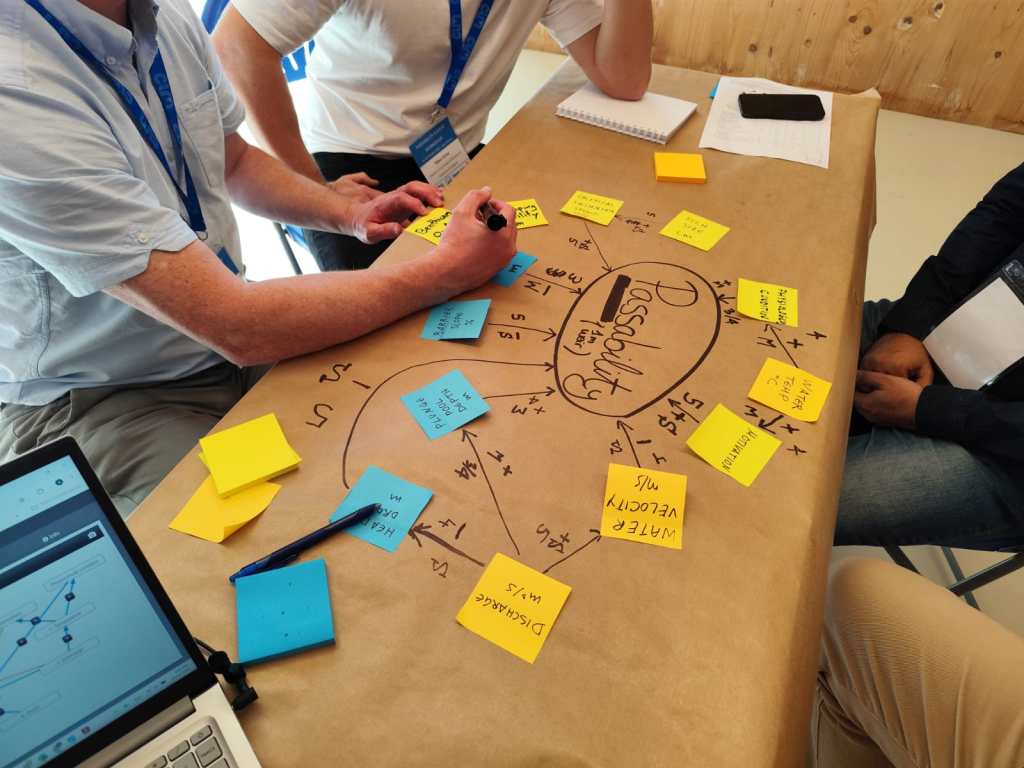
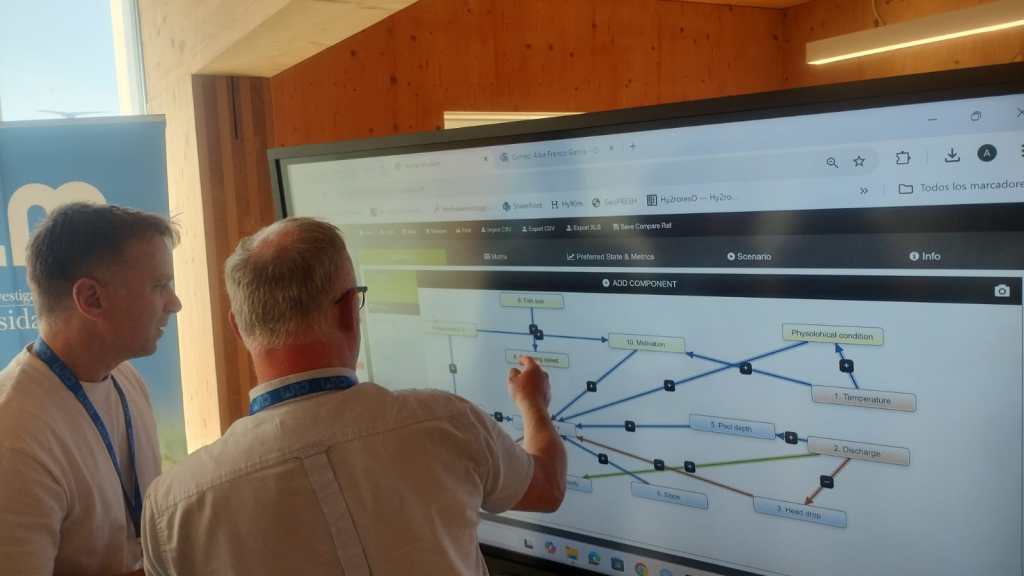
The information gathered from experts will be studied and analysed, taking into account differences and similarities as well as expert’s confidences in their statements to reduce uncertainties in assessing and modelling barrier passability.
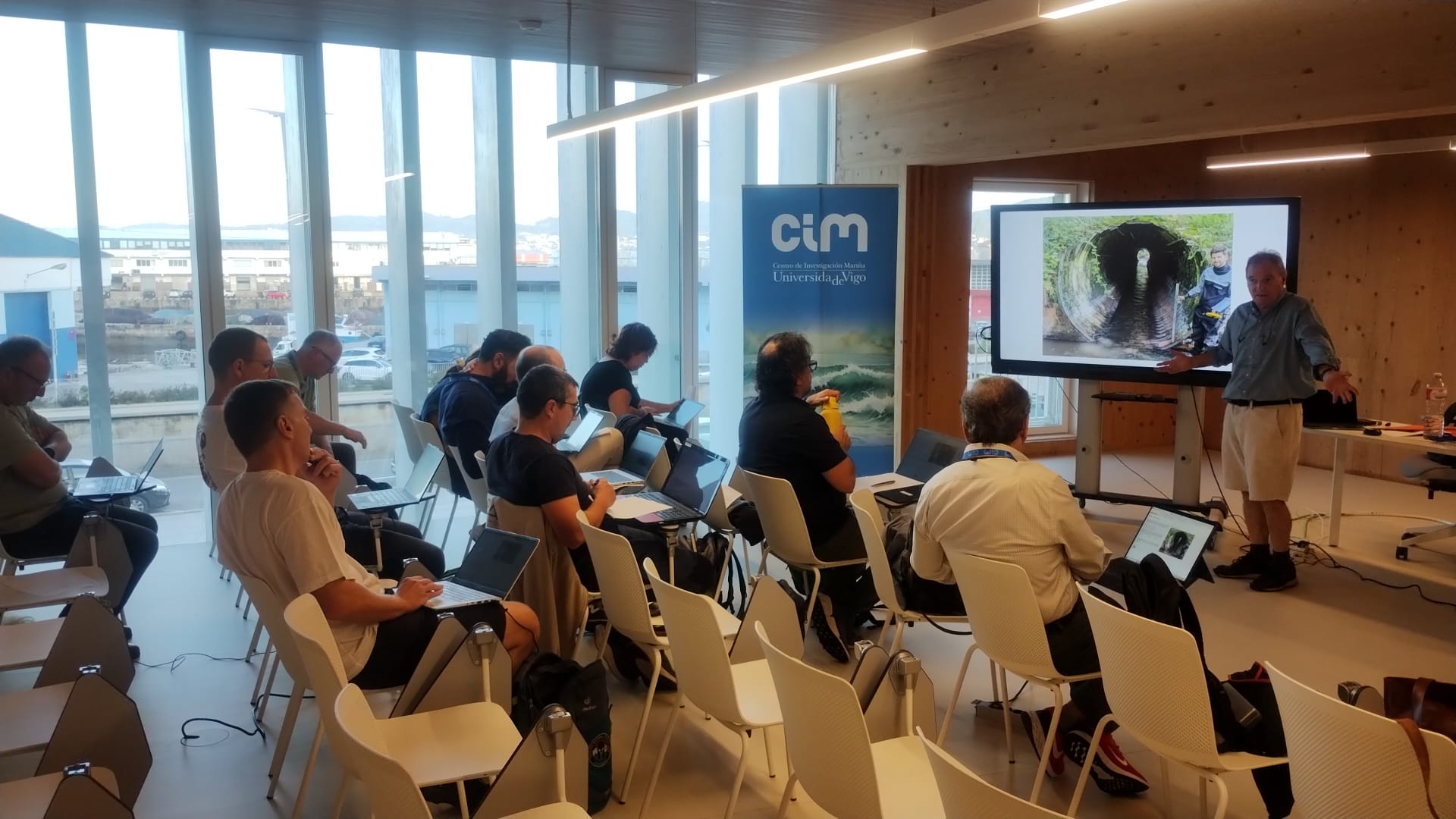
On day 2, we asked experts to score passability of 66 barriers by solely looking at a barrier’s photo and participants responses were compared to existing empirical passability data. Further examination of participants performances will allow us to assess if barrier-photo passability assessment coupled with AI machine vision can become a rapid and effective method to score passability, thus complementing current time-demaning coarse-resolution passability assessments (like SNIFFER or ICE) or fish telemetry studies that are not practical to obtain the passability of the many barriers that are fragmenting rivers.
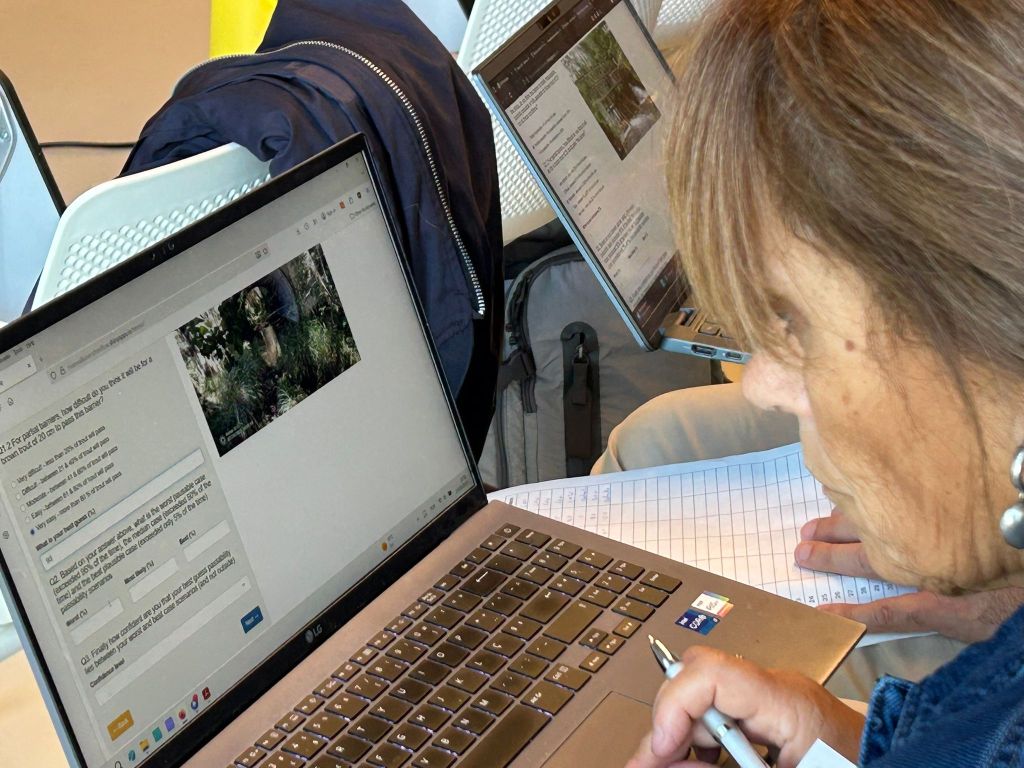
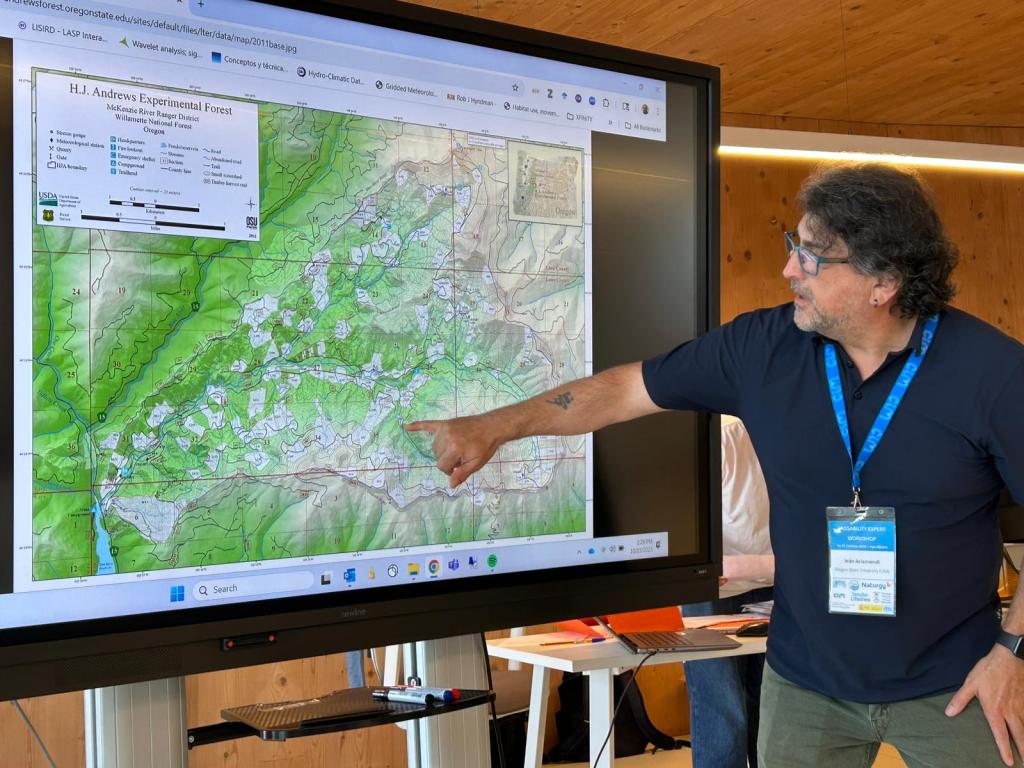
We also had the pleasure of attending presentations. One from Iván Arismendi on his long-term image monitoring of seasonal fluctuations in habitat connectivity.
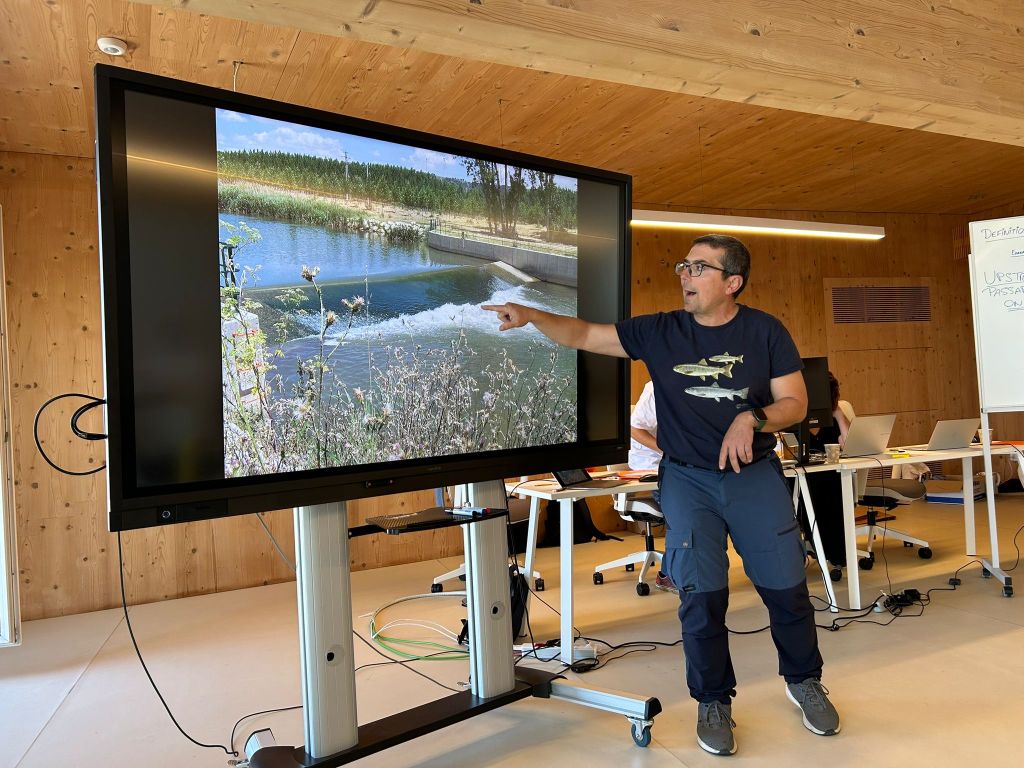
Francisco Javier Sanz Ronda also showed recent detailed studies on passability of several sloping weirs in Spain, of whom some were totally impassable and partially or completely passable (but nonetheless an important obstacle which severaly delayed upstream migration).
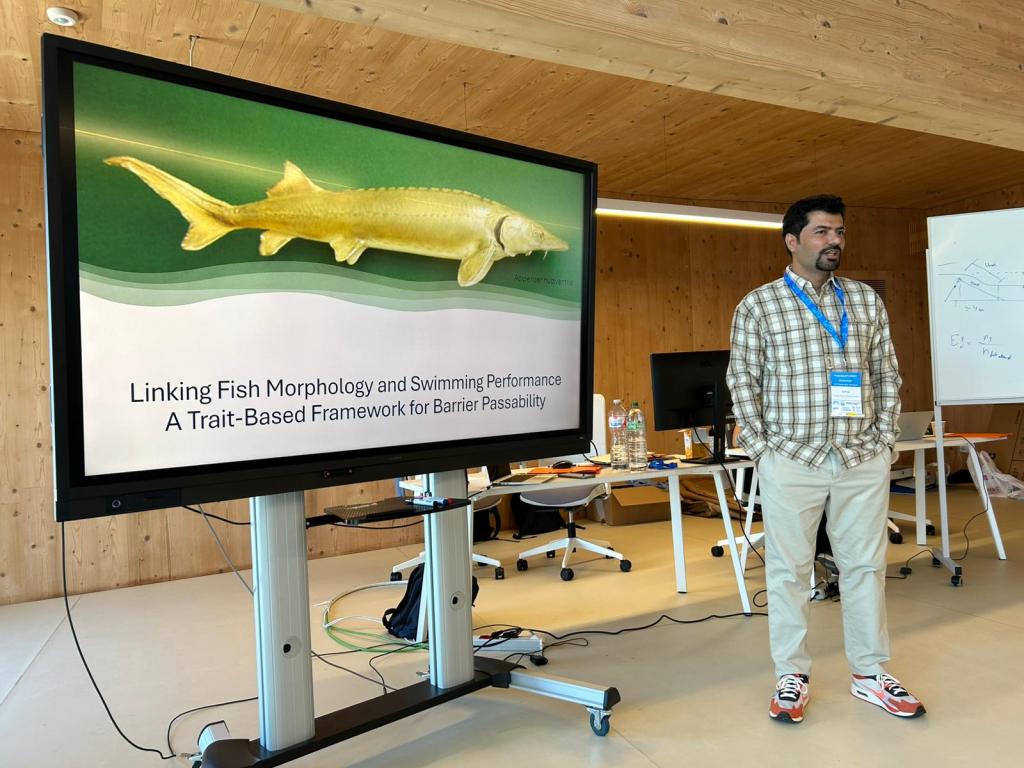
Finally, Jan Arif introduced the discussion of scaling passability across different fish species that could benefit from comparing swimming capabilities and morphometrics of several fish species. Experts pointed out the importance of weighting in different fish behaviours (e.g leaping vs non-leaping or lotic vs lentic) for approximating salmonid passability scores to other fish.
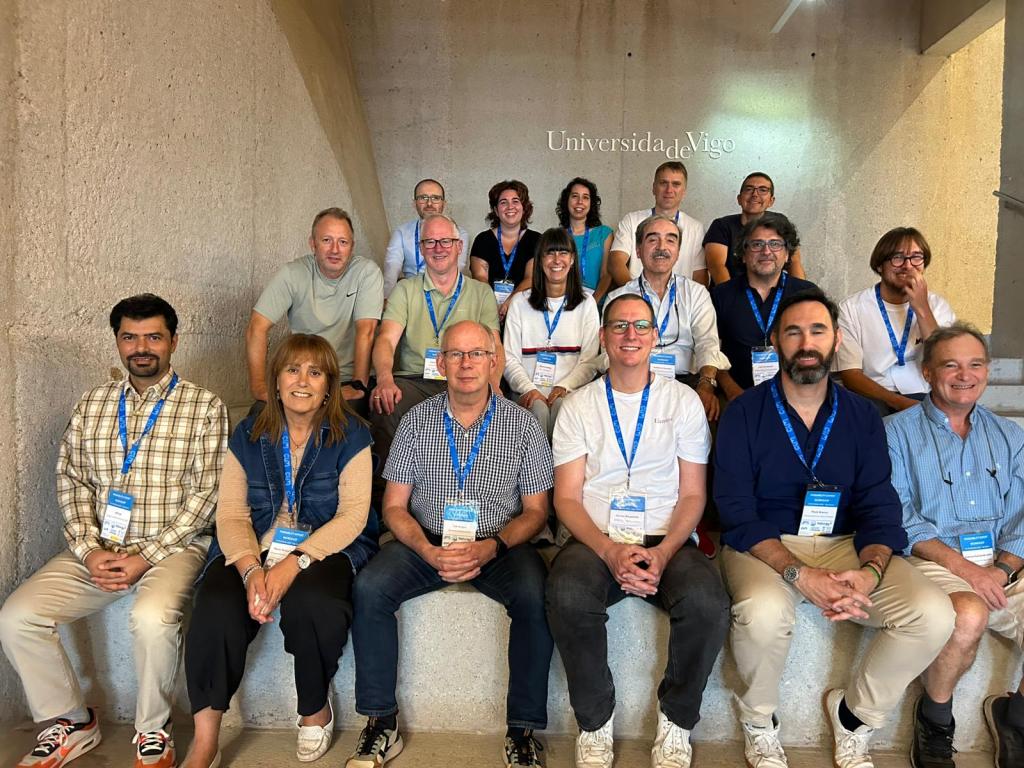
We are excited to carefully examine the expert knowledge gathered during this workshop to reduce uncertainity in measuring barrier passability for more effective restoration of river connectivity.
We want to thank Naturgy, the XB2 research group and the ATRAE program (AEI) for sponsoring this event. We would also like to thank Universidade de Vigo, CIM, CSAR, Swansea University and DanubeLifeLines for their support in making this workshop possible.
 FreeFlowLab