
Meet The Team
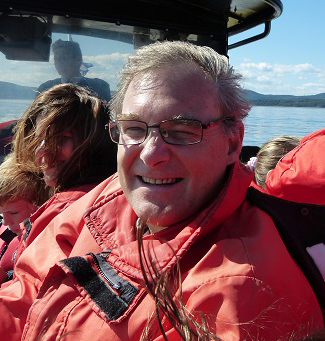
Carlos García de Leániz
Principal Investigator


Carlos García de Leániz is Professor of Aquatic BioSciences and Director of the Centre for Sustainable Aquatic Research (CSAR) at Swansea University (UK) and Distinguished Researcher at CIM – University of Vigo (Spain), where he leads the FREEFLOW project, funded by the Spanish ATRAE programme. He is also Chairman of the Blue Rivers Foundation, an NGO that seeks to promote and incentivise river restoration. He obtained his BSc in Marine Biology at the University of Victoria (BC, Canada) and a PhD (Zoology) at the University Aberdeen (UK), followed by post-doctoral research at the University of Glasgow and ZSL London (UK). He led AMBER, a multi-award winning Horizon 2020 project that produced the first pan-European atlas of river barriers and developed tools to quantify and mitigate barrier impacts.
Carlos’ expertise is on aquatic conservation, fish behavioural ecology, sustainable aquaculture, and river restoration. He has authored +150 scientific publications, as well as over 50 technical reports and popular science articles.
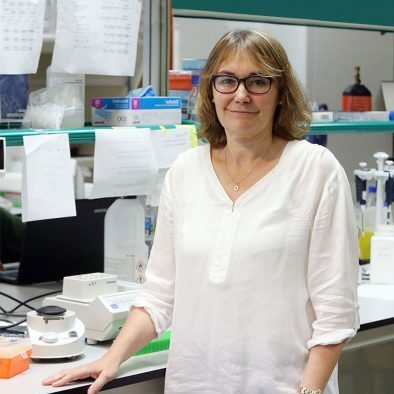
Paloma Morán
Professor
Dr. Morán is a Full Professor at CIM-UVigo with expertise on molecular biology, conservation genetics of salmonids, and genetics in aquaculture. She has contributed to the understanding of genome complexity, epigenetics, and the interplay between genetics and the environment, having authored many high-impact publications that have advanced understanding of fish genetic diversity and effective population sizes of salmonids and other species. She has led large projects on genetic diversity and effective population sizes of aquatic organisms, genetic impact of environmental insults, and the development of tools for the spatial management of aquatic resources. She will provide expert advice on the application of eDNA and molecular tools to the study of fragmentation in the FREEFLOW project.
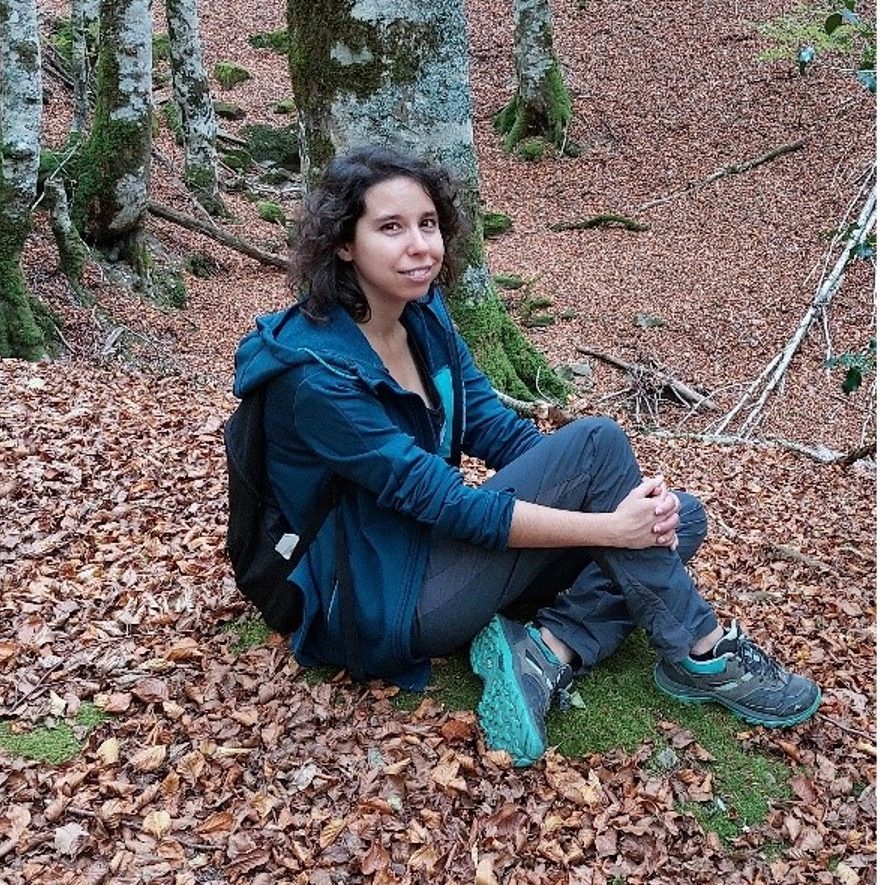
Amaia Angulo Rodeles
Postdoctoral Researcher
Amaia Angulo Rodeles is a Postdoctoral Researcher at the University of Vigo (Spain) focusing on the development of tools for the optimisation of river connectivity restoration. She also works on Atlantic salmon conservation and river carbon dynamics. Her PhD focused on the development of river connectivity assessment tools that included ecological parameters for different management objectives.
She holds a BSc in Biology from the University of Navarra (Spain) and a MSc in Ecology and Environmental Management from the University of York (UK).
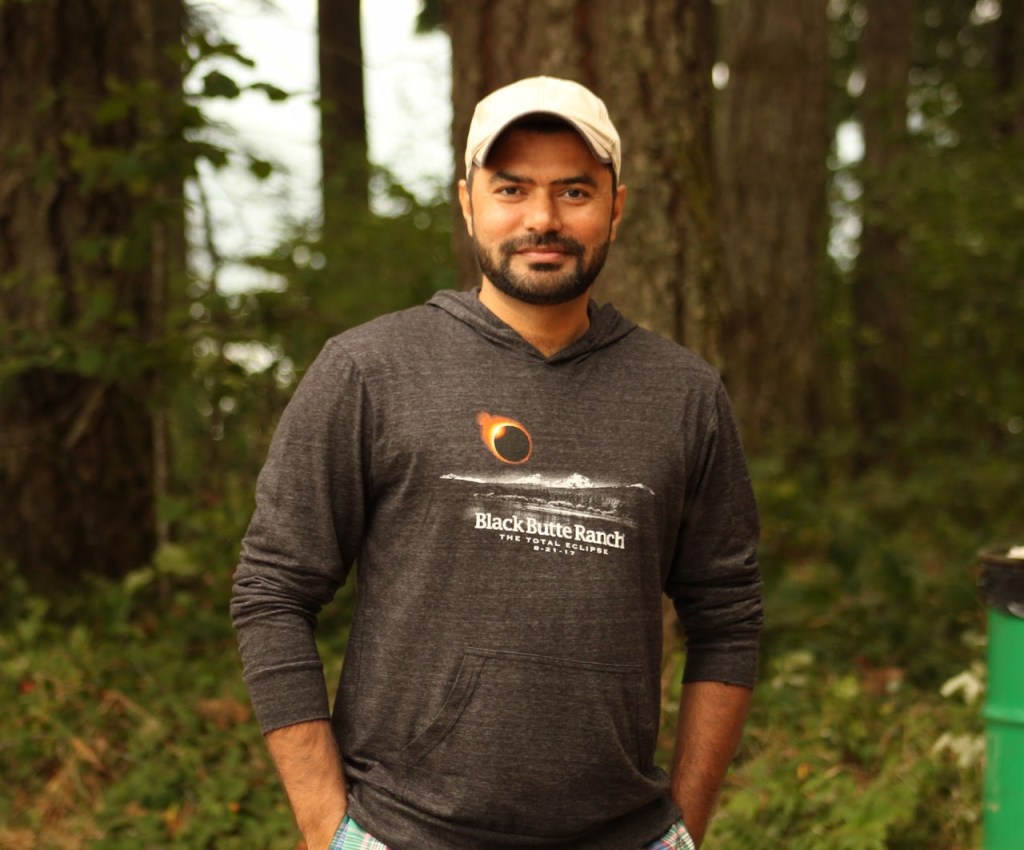
Arif Jan
Postdoctoral Researcher
Arif Jan is a Postdoctoral Researcher at Swansea University, working in the DanubeLifeLines project. His PhD focused on critical threats to freshwater ecosystems, habitat degradation, biological invasion, and climate change by developing robust quantitative methodologies to assess habitat distribution and quality.
He holds a PhD in Fisheries Sciences and a minor in Statistics from Oregon State University.
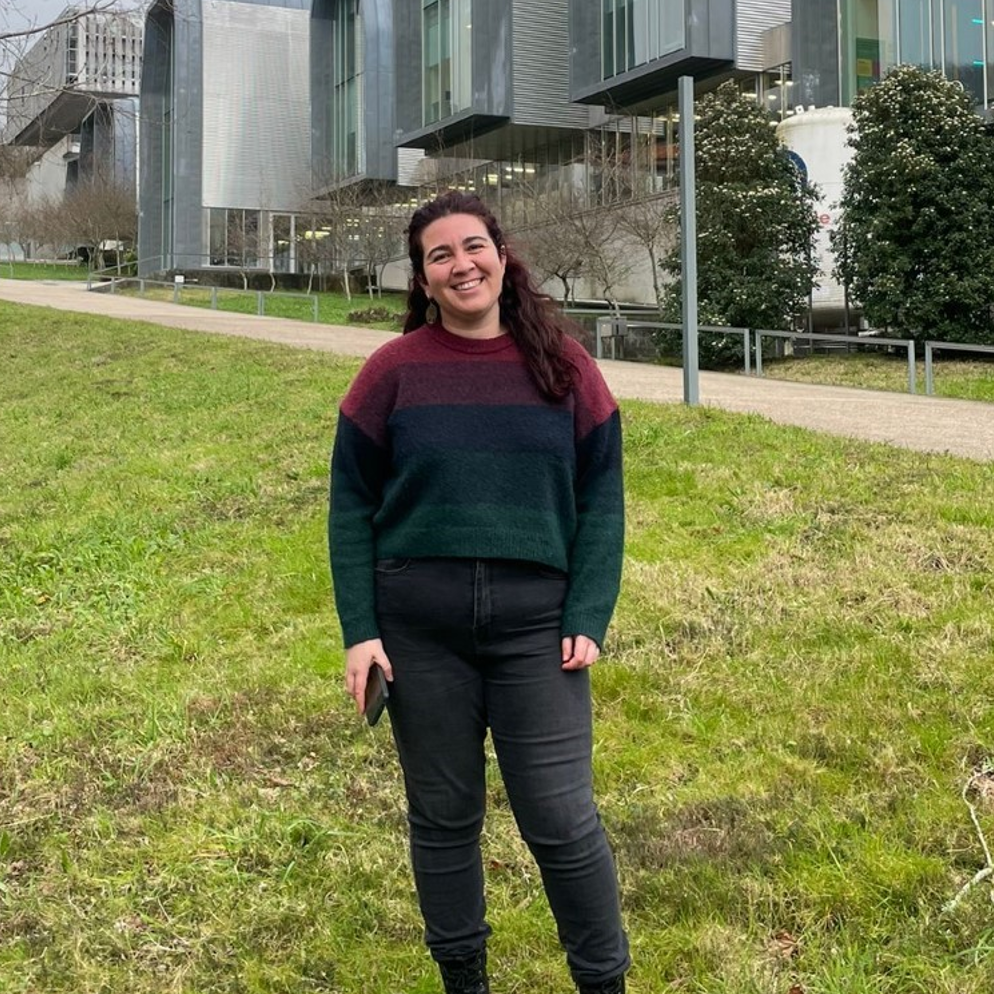
Alba Franco García
PhD Student
Alba Franco García is a PhD student at the University of Vigo (Spain), focusing on ecological impact assessment of low head barriers. She is studying how barriers modify river ecosystems by analysing their effects on fish, macroinvertebrates, geomorphology, and physicochemical parameters to determine which barriers have the greatest impact on the ecosystem. By integrating these analyses with expert opinion, she aims to develop a rapid assessment tool to evaluate these impacts, optimising river management and conservation.
She holds a Bachelor’s degree in Biology and a Master’s degree in Assessment, Management, and Restoration of Biodiversity, both from the University of Granada (Spain). Alba has experience in aquatic ecology, with a particular focus on anthropogenic impacts, ecosystem characterisation, and ecotoxicology.
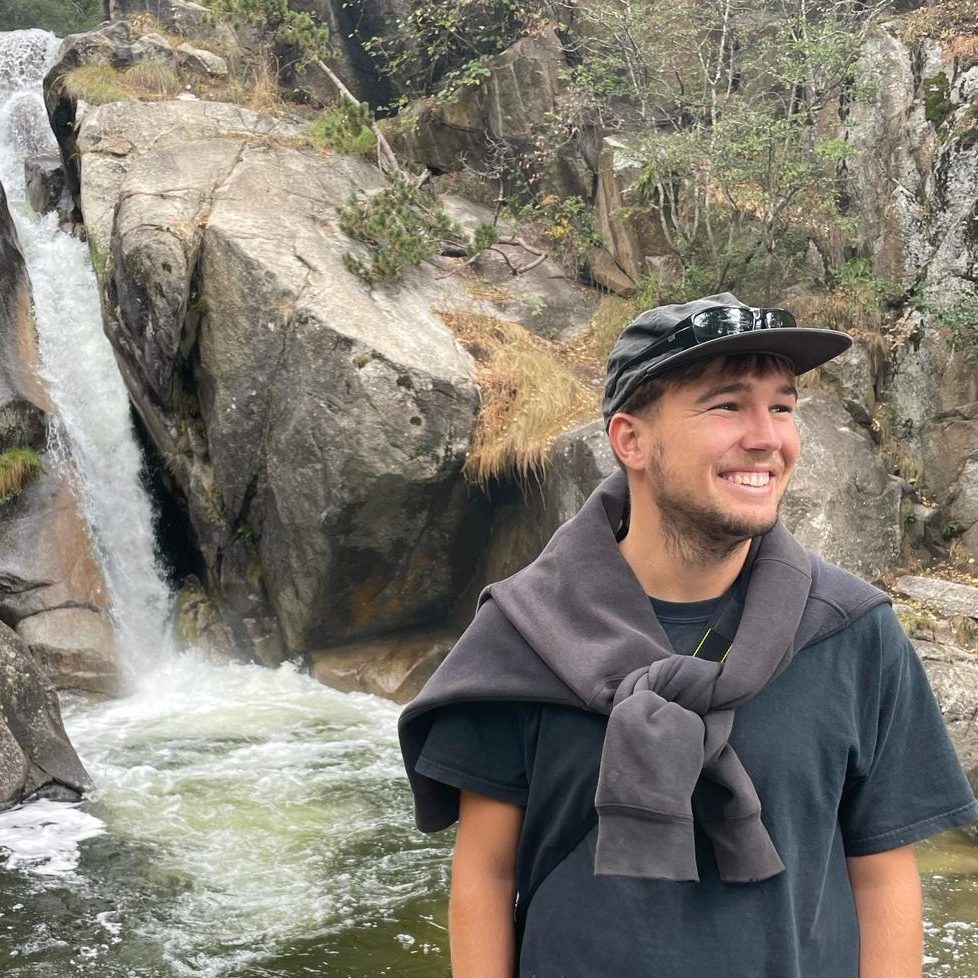
Gabriel Tedone
PhD Student
Gabriel Tedone is a PhD student with a research focus set on reducing epistemic uncertainties in the number and distribution of barriers to free flow at the catchment scale. He is particularly interested in using geographic information systems and remote sensing to identify and map these barriers, as well as understanding how uncertainty influences decision-making in river restoration efforts. Gabriel also manages this website (feel free to contact him with any bugs, errors, or suggestions).
He holds a BSc in Biotechnology from the University of Barcelona (Spain) and a Ms in Bioinformatics from Valencia International University (Spain). Before his doctoral studies, he researched the soil microbiome in agro-ecosystems.
Collaborators
© Esteban L. Álvarez Romero
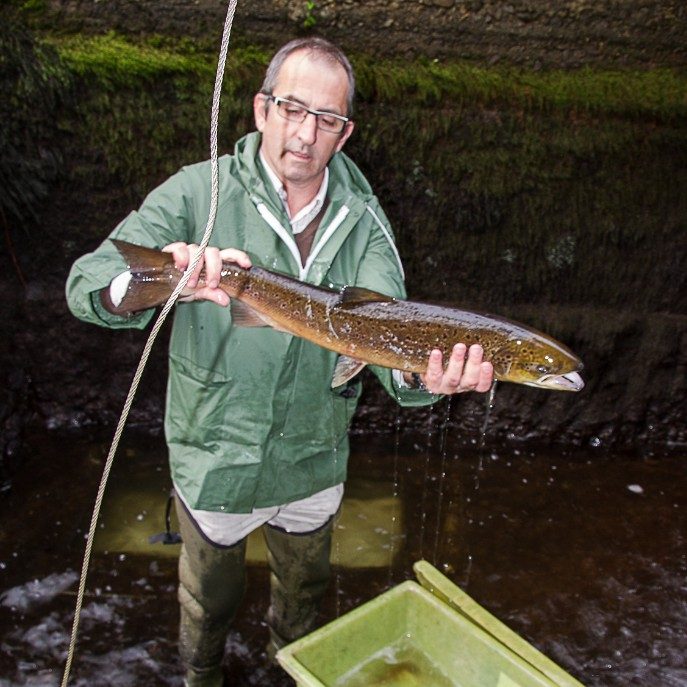
Pablo Caballero Javierre
Who is Pablo?
Pablo Caballero Javierre is currently Head of the Nature Conservation Service of Pontevedra (Spain) as well as Head of its Biodiversity Section (Xunta de Galicia). He is also associate professor at the Forestry Engineering School of Pontevedra, from the University of Vigo (Spain). He works on practical aspects of inland fisheries management and the conservation and recovery of threatened river fish species, mainly migratory salmonids: Atlantic salmon and sea trout.
His previous research focused on wild populations of river fish in Galicia (Spain), with special interest in salmonids. He has participated in several congresses, contributed to over 24 publications in journals and participated in 15 books, including “Inventario Piscícola de los Ríos de Galicia, (1999)” and “Atlas de los Ríos Salmoneros de la Península Ibérica, (2010)”. His PhD by the University of Santiago de Compostela (Spain) researched the biology of the anadromous form of the common trout, Salmo trutta, in Galicia.
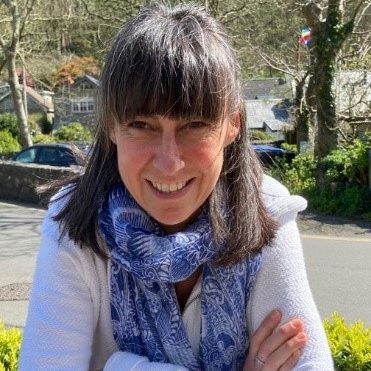
Sofia Consuegra
Who is Sofia?

Sofia (Sonia) Consuegra del Olmo is Professor of Evolutionary Ecology at Swansea University (UK) and Distinguished Researcher at IIM-CSIC Vigo (Spain), where she leads the OLDSALMO project funded by the ATRAE programme of the Spanish Ministry of Science and Innovation. She is a Fellow of the Higher Education Academy. After her degree, she carried post-doctoral work at the Institute of Zoology (London) and at the University of St Andrews (UK), before obtaining a lectureship at Aberystwyth University (UK). She then moved to Swansea University where she became a full Professor. Her main areas of expertise are on evolutionary ecology, conservation genetics/omics, fisheries and aquaculture, and aquatic invasive species. Some of her current projects include testing temporal genomic shifts in exploited fish populations using ancient and environmental DNA (OLDSALMO), identifying long lasting epigenetic biomarkers for prognosis of farmed fish performance (funded by the Royal Society in collaboration with Benchmark Genetics), assessing the potential of epigenetic and microbiome programming for fish disease and stress resistance (Cure4Aqua, funded by Horizon Europe) and investigating the role of epigenetic markers on the evolution of sex-determination in vertebrates (EpiSex, funded by The Leverhulme Trust).
Sofia holds a BSc (Biology, First class) from University of Oviedo (Spain) and a PhD in Evolutionary Genetics from the University of Cantabria, as well as a Postgraduate Certificate in Teaching in Higher Education (PGCTHE) from Aberystwyth University (UK).
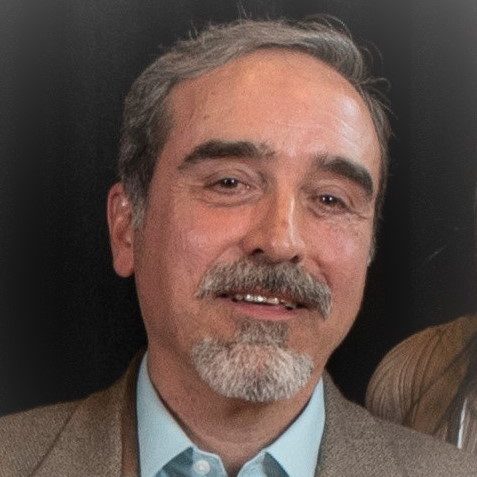
Guillermo Giannico
Who is Guillermo?
Guillermo Giannico is currently a Professor and Fisheries Extension Specialist at the Department of Fisheries, Wildlife, and Conservation Sciences of Oregon State University (USA). As part of his outreach responsibilities, Dr. Giannico delivers educational services about freshwater ecology, fish habitat restoration, and watershed management-related issues to watershed restoration organizations, recreational fishing clubs, government agencies (local, state and federal), and Tribal governments.
He holds a Bsc in Ecology from the National University of La Plata (Argentina), a MSc in Biology from the University of Victoria (Canada) and a PhD in Resource Management and Environmental Studies from the University of British Columbia (Canada).
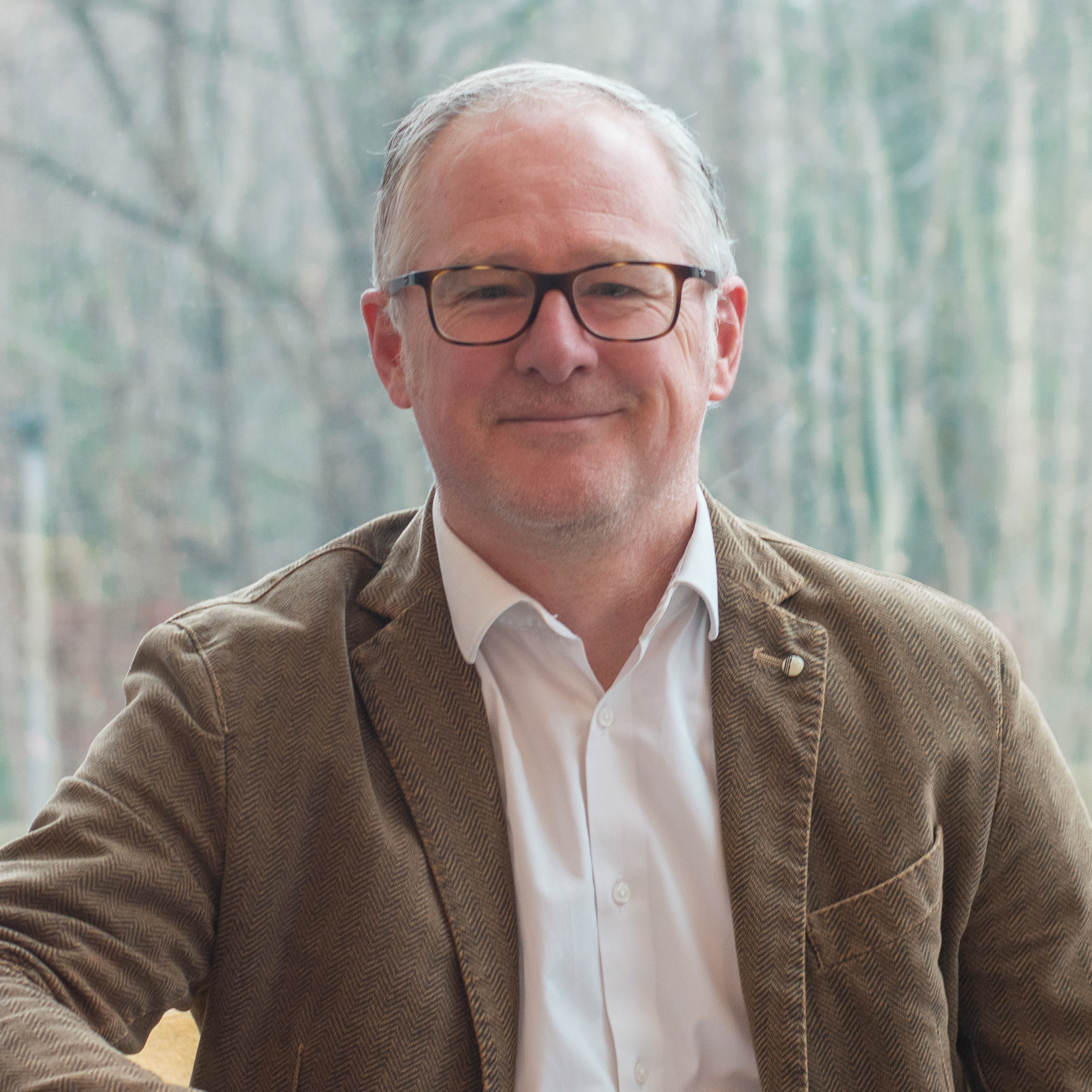
Jesse O’Hanley
Who is Jesse?
Jesse O’Hanley is a Professor of Environmental Systems Management and the Interim Dean for Kent Business School, University of Kent (UK). Prof O’Hanley’s research focuses on the development and application of optimisation and simulation techniques to environmental management, facility location, transportation and logistics.
He has authored over 70 articles and other publications covering a wide range of theoretical and applied topics, much of it highly interdisciplinary in nature. Recent and ongoing research on include river connectivity enhancement, nature reserve selection, robust facility network design, and managing vehicle/passenger flows at ports and train stations have appeared in leading field journals in operational research and environmental management. Prof O’Hanley has carried out advisory and consultancy work for various government agencies and NGOs on the development and application of optimisation-based approaches for river infrastructure mitigation and placement. This includes the Scottish Environment Protection Agency, Port of Dover, US Fish and Wildlife Service, and The Nature Conservancy. He is the 2015 winner of the EURO Excellence in recognition for developing a state-of-the-art decision support tool called OptiPass, which is being used in California, the Pacific Northwest, and other locations to plan on-the-ground river connectivity restoration actions.
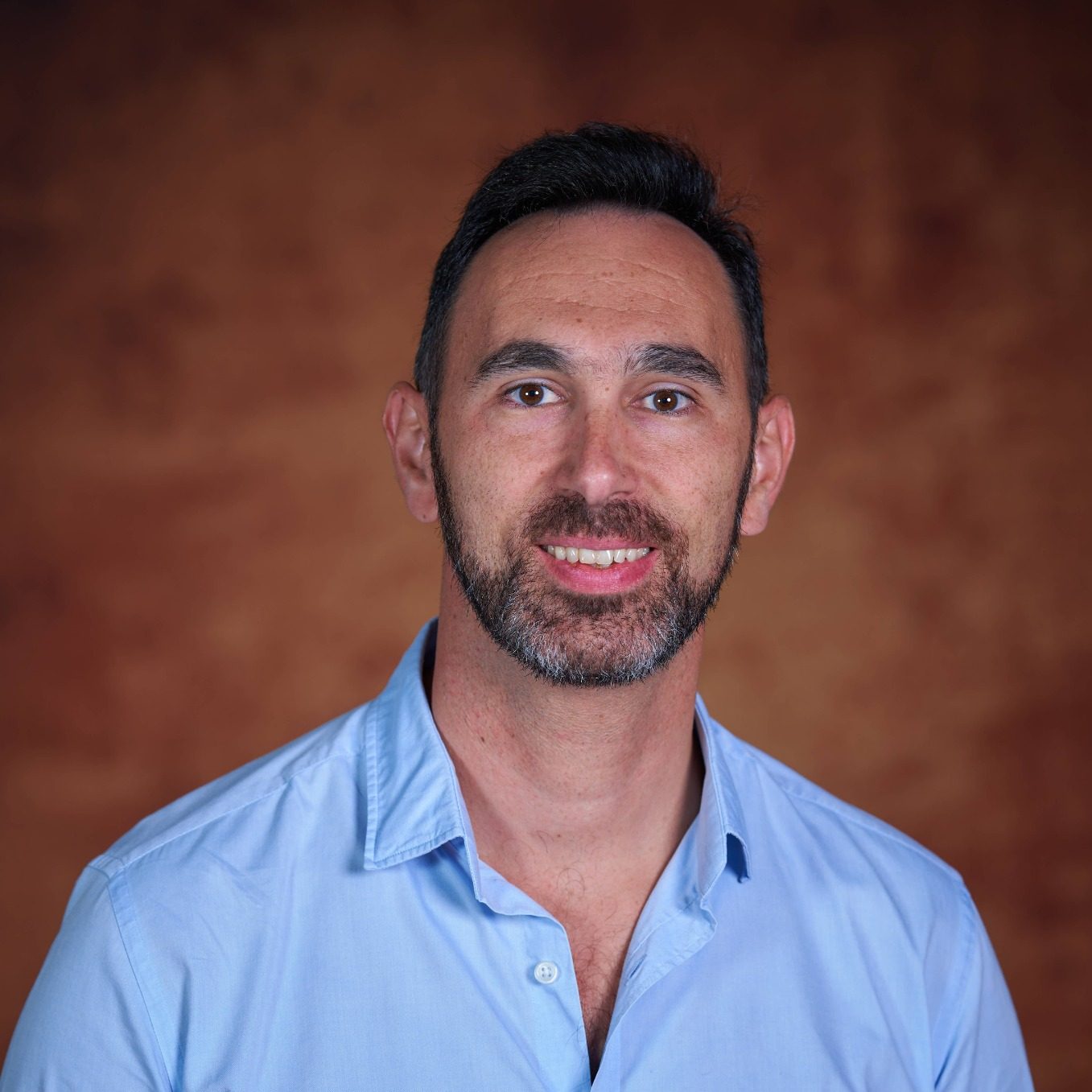
Paulo Branco
Who is Paulo?
Paulo Branco is a Researcher and Professor at the Institute of Agriculture (ISA) of the University of Lisboa (Portugal) and Executive Director of the Associate Laboratory TERRA. His research has contributed to projects on river restoration and biodiversity management, including, more recently, the Dammed Fish and the MERLIN projects. He leads RivEco at ISA, where he works with colleagues to develop tools like RivConnect and RivTool to support conservation planning. His work has resulted in peer-reviewed publications, participation in research networks, and involvement in international restoration efforts. Beyond research and teaching, he is involved in policy advisory roles, scientific networks, and editorial activities, aiming to support the connection between science, conservation, and decision-making.
He holds a PhD in Forest Engineering and Natural Resources from the University of Lisboa (Portugal), where he focused on quantifying river connectivity and developing conservation strategies for freshwater ecosystems.
Josu Elso Huarte
Who is Josu?
Josu Elso Huarte works for the Regional Government of Navarra (Spain) at the public company GAN-NIK, improving river ecosystems with his expertise in river restoration and biodiversity conservation, focusing on the conservation and recovery of Atlantic salmon. He has participated in more than 80 publications, including indexed articles, articles in specialised media, book chapters, conference proceedings, technical reports and other publications. During his career, he has implemented several European Directives (Habitat and Birds Directives, WFD, Flood Risk Directive, Eel Regulation, Nature Restoration Law, etc.) and contributed to the preparation and management of up to 11 European Funded projects. As a freelance environmental consultant, he has also been evaluator of LIFE, ERASMUS and H2020 project proposals for the European Commission. He has participated in the development of the Spanish National River Restoration Strategy (2007) and has been member of the Organizing Committee of the Iberian River Restoration Congress (RESTAURARIOS) in 2011, 2015, 2019 and 2023. He is one of the founders of the Iberian Centre for River Restoration (CIREF) and a board member since 2009. He has also been a board member of European Centre for River Restoration (ECRR) between 2009 and 2011 and Wetlands International European Association (2013-2015).
He holds a BSc in Biology (Zoology) from the University of Navarra (Spain) and a PhD with honors from University College Cork (Ireland) through a Marie Curie research contract in 2000.


 FreeFlowLab