
Funding
Grant ATR2023-143937 funded by MICIU/AEI/10.13039/501100011033.

From Broken Rivers to Free-Flowing Rivers: Optimising barrier removal decisions under data deficient scenarios
The FREEFLOW project seeks to address four specific sources of uncertainty regarding the restoration of river connectivity: data deficiencies regarding the number, location and impact of barriers, as well as ambiguities regarding the operational definition of Free-Flowing Rivers (FFR).
Latests from the project


Project Outline
1. Develop a Rapid Barrier Impact Assessment Tool
Problem
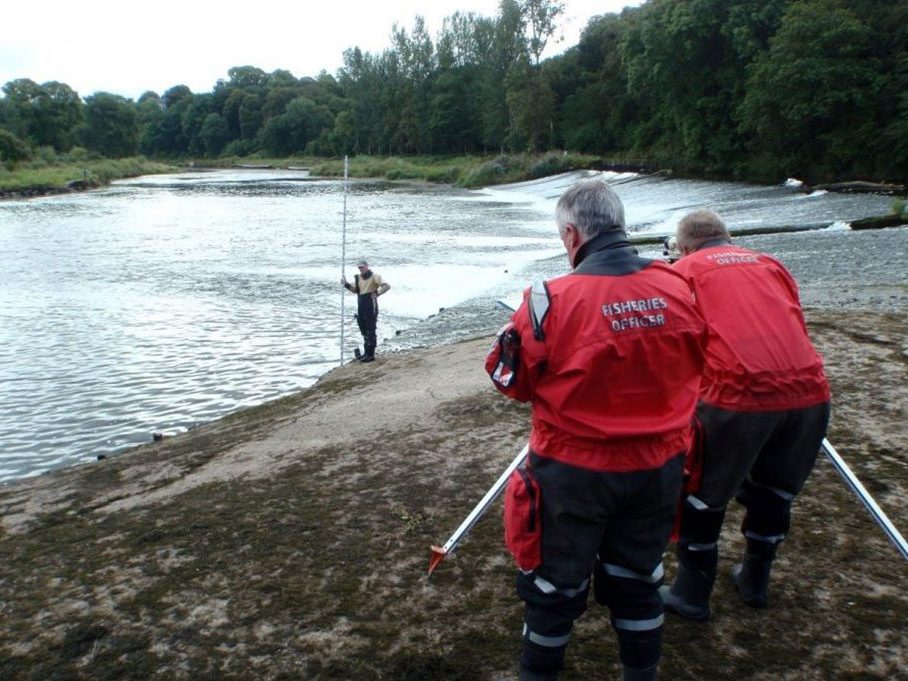
Efficient restoration of river connectivity requires knowledge of cumulative barrier impacts. Assessing barrier impacts through field surveys is time consuming and impractical at large scales.
Solution
Develop, calibrate and field test a rapid method of barrier impact assessment based on Fuzzy Logic, Bayesian inference an AI.
2. Model Fragmentation under data-poor scenarios
Problem
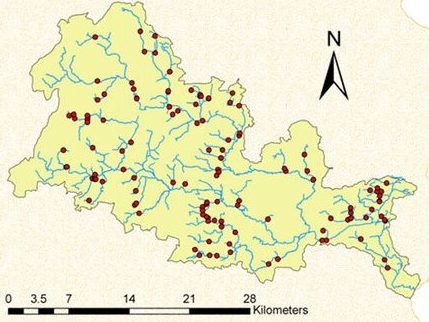
Barrier inventories are typically incomplete and variable. There is uncertainty regarding the number, location and type of barriers across river networks. Data on lateral barriers is lacking.
Solution
Identify predictors of barrier under-detection. Predict the likely number and location of missing barriers. Model effects of data completeness of fragmentation estimates.
3. Develop the Functional River Unit (FRU)

Problem
The European Commission has set the target of restoring 25,000 kms of Free-Flowing Rivers (FFR) by 2030, but it remains unclear how exactly this goal will be achieved.
Solution
Develop the concept of functional River Unit (FRU) to help achieve FFR targets.
4. Remove Barriers to Remove Barriers
Problem
Barrier removal is sometimes being questioned due to current water shortages, raising energy costs and lack of a convincing narrative.
Solution
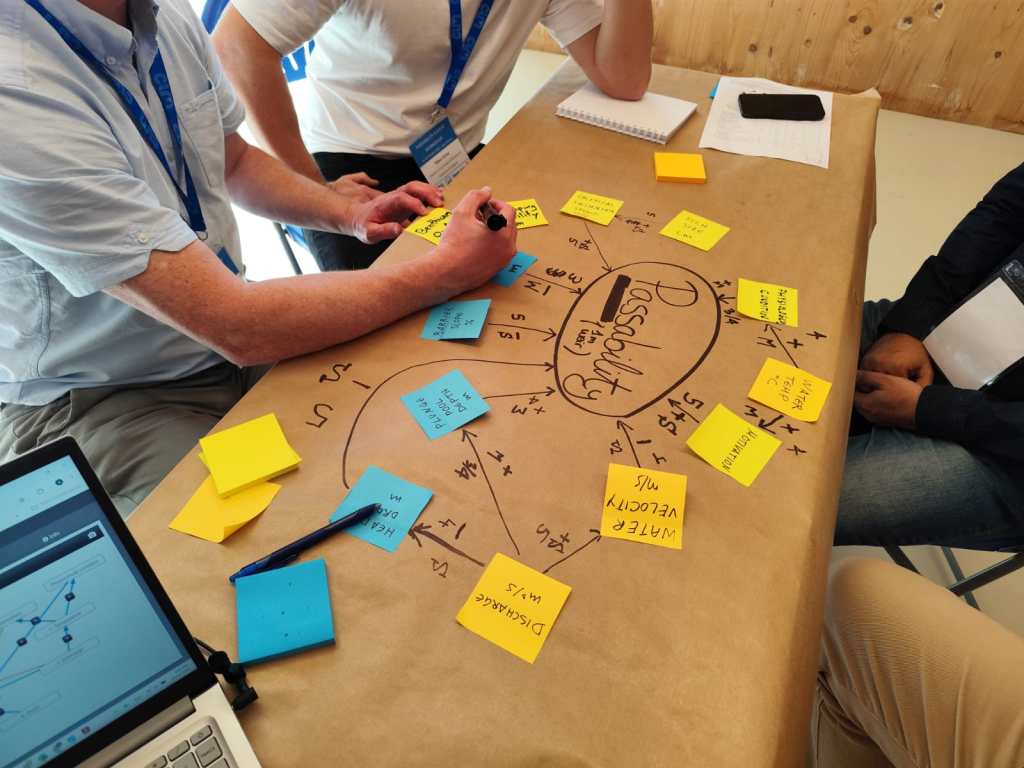
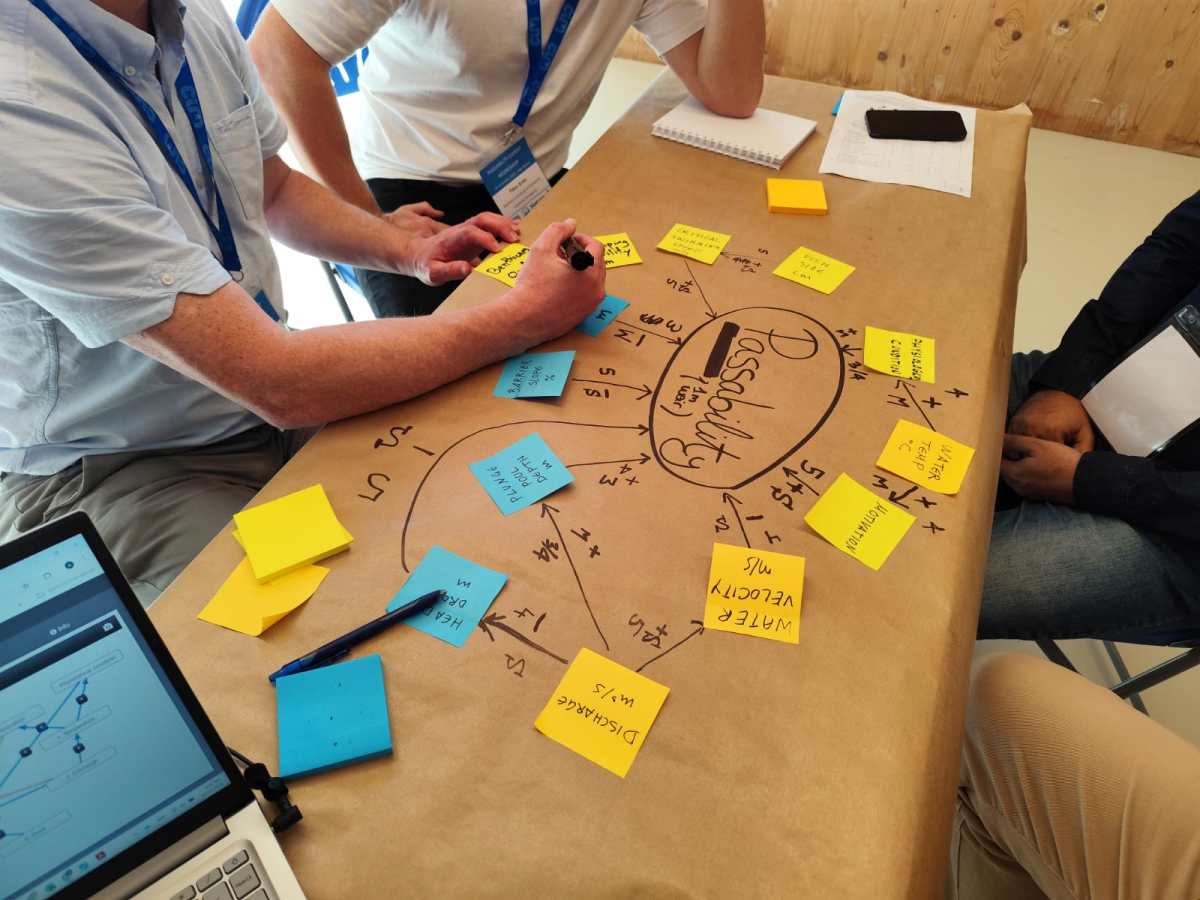
Identify and understand the main barriers that hamper barrier removal. Build an evidence-based narrative based on consensus mental maps co-created with stakehoders.



 FreeFlowLab