
Barriers to free flow disrupt natural river connectivity processes, like the migration of freshwater organisms and energy, sedimentation and erosion dynamics. But, not all barriers are the same.
Amongst all the sizes, types and forms of barriers that fragment rivers, not all of them have the same disrupting impacts on river connectivity processes. And, the impacts of the most abundant ones, low-head barriers, remain poorly understood.

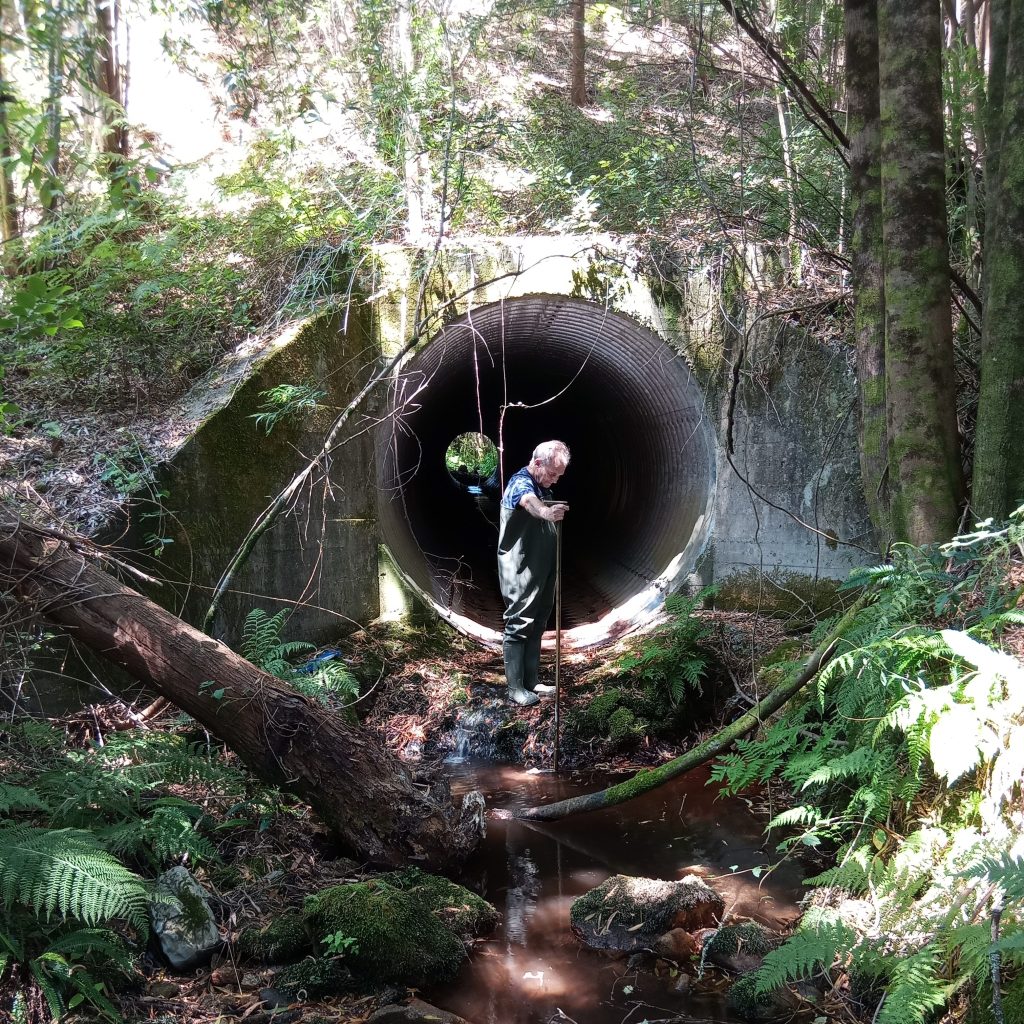
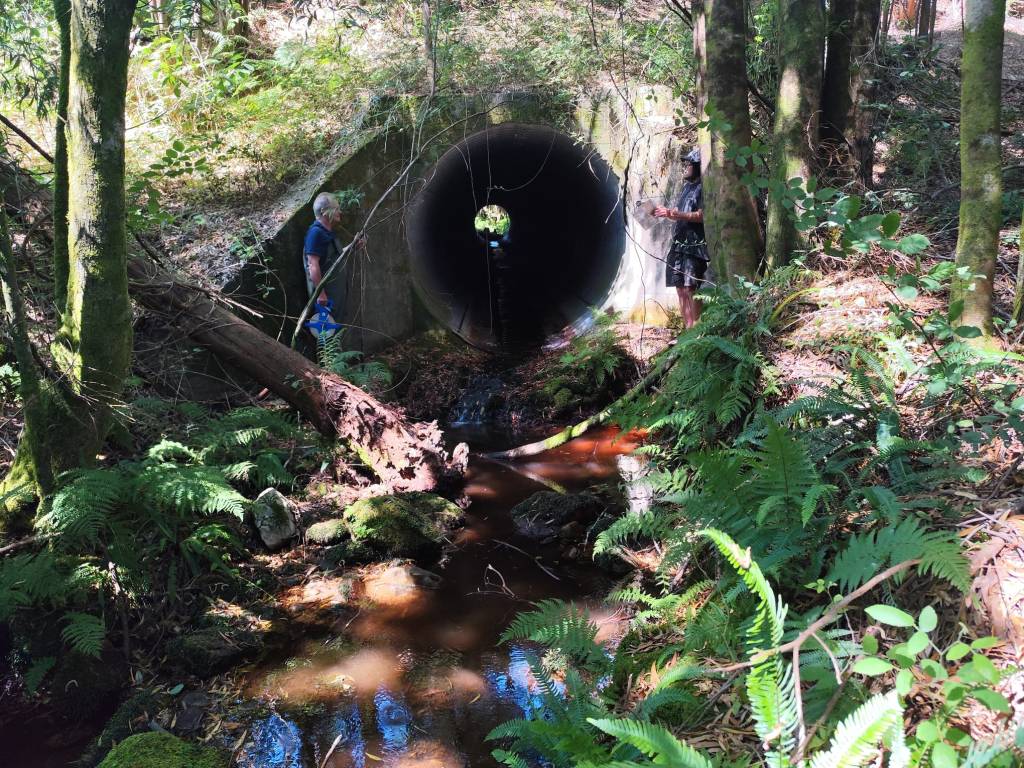
Big dams are known for their severe impacts on rivers, but these big fragmentisers constitute just a small fraction of all barriers to free flow in rivers. The most abundant barriers, be it low-head weirs, culverts, ramps, fords and sluice gates, are still poorly understood and many uncertainties remain regarding their fragmentation impacts on river connectivity.
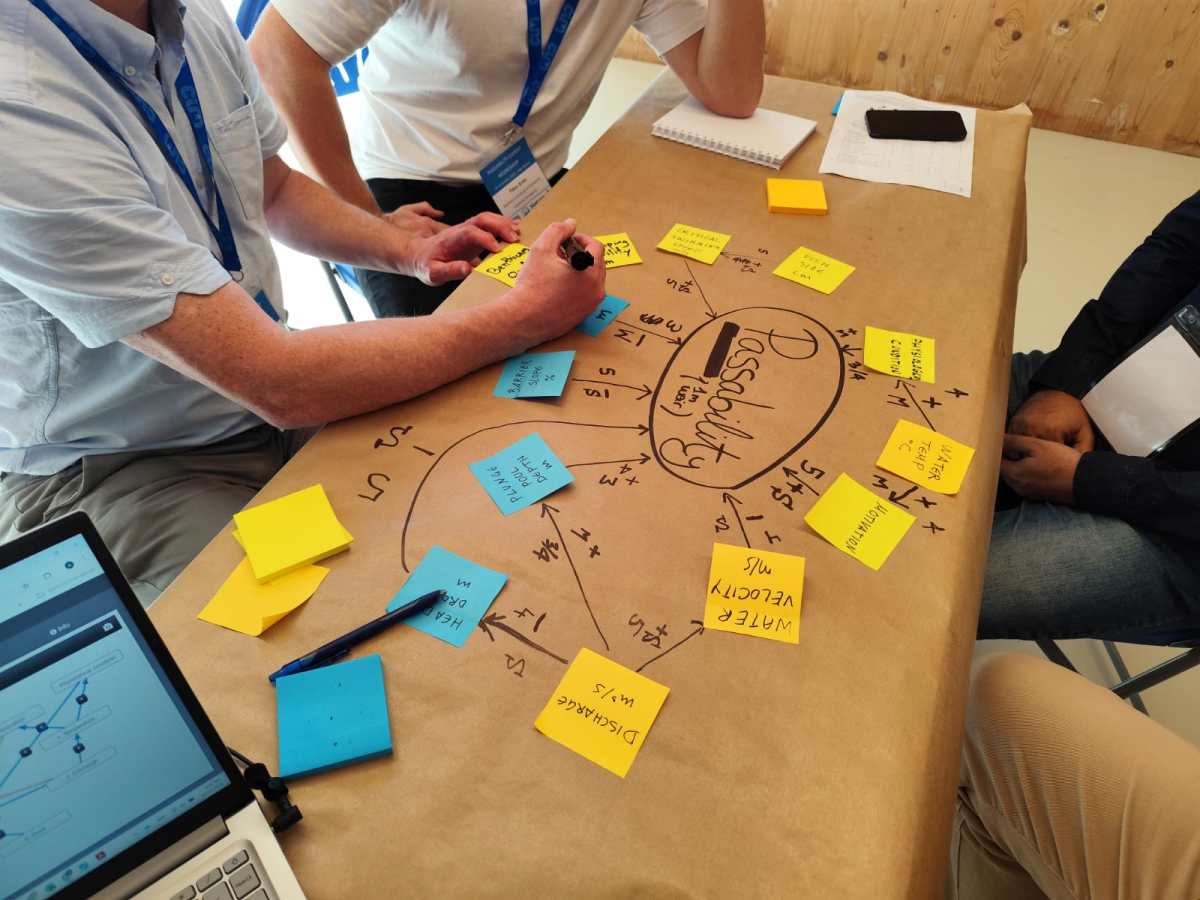
Current scientific methods employed to estimate the impact of a single barrier on river connectivity take a lot of effort, time and resources, making the task of estimating the cumulative impacts of all barriers in large-scale scenarios practically impossible. Furthermore, past efforts of estimating barrier impacts have focused on their (im)passability regarding the migration of freshwater fish, not considering the many other ways in which barriers break rivers (habitat modification and energy, sediment and erosion dynamics).
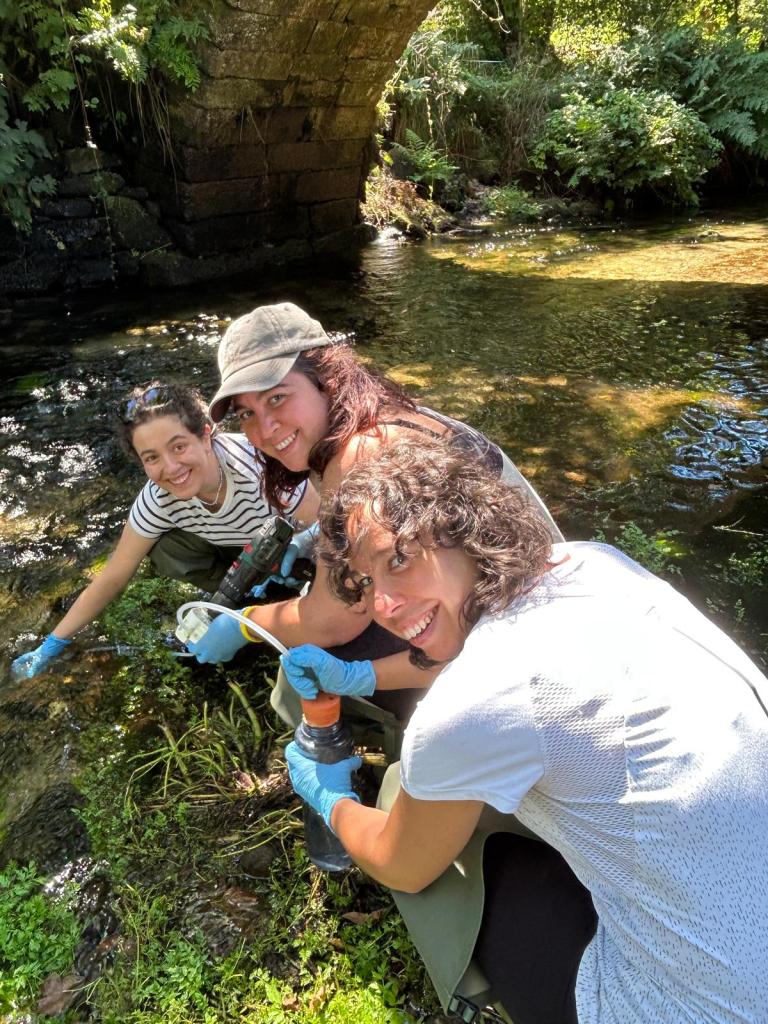
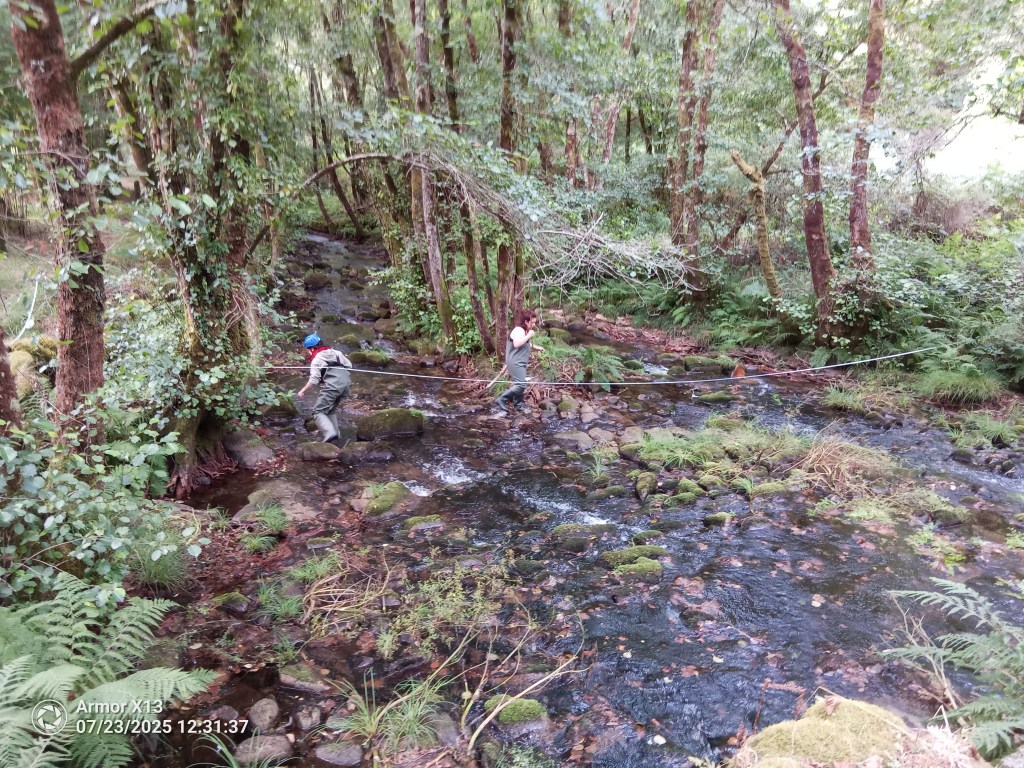
In this project we will assess the impacts of many low-head barriers on river conectivity processes to develop a method for rapidly assessing barrier impacts based on barrier characteristics that easely measurable and already available (like barrier height). To do so, we will sample different types of low-head barriers and estimate their impacts on the principal processes that constitute river connectivity.








 FreeFlowLab